
Threatening Oman Is Threatening British Armed Forces

A month ago I wrote about America’s clumsy attempt at extortion in the Gulf, which was hastily retracted. Now Washington has sunk to a new low by threatening one of the West’s most important allies in the region, where British diplomats and service personnel are embedded in the national armed forces.

Britain has a deep relationship with Oman dating to the 18th century Treaty of Friendship. This was cemented when the Southern Arabian insurgencies began in 1963. Whereas the British government pulled out of Aden, it remained committed to support Oman in their Dhofar War. This was an “undeclared campaign” and although the British Media has focused on the role of the SAS, their involvement was only a small part of the overall British military deployment. For example, my first tank troop sergeant in the 17th/21st Lancers was awarded the equivalent of the Military Medal for bravery in a desert battle and the officer who took over B Squadron from me in 1985 was also recognised for his gallantry when he commanded a troop of Saladin light tanks in the 1970s.

Since then, British soldiers, sailors and air personnel have continued to be embedded in the Omani armed forces on loan service appointments and British military advisors serve in Omani headquarters. In addition, all three British services train there; for example, the series of major combat exercises named Saif Sareea have been vital for identifying lessons that were fixed before operational deployments. The last one involved 5,500 British troops and over 70,000 from the Sultan of Oman’s Armed Forces.

Anyone who knows their history, knows how important Oman is in the Gulf Region and what a good ally it has been to the West. Threatening to bomb Oman is like threatening to invade Greenland. Not only is it illegal, but all it does is store up ill-will and push friends into the adversary’s camp – coercion is not for allies.

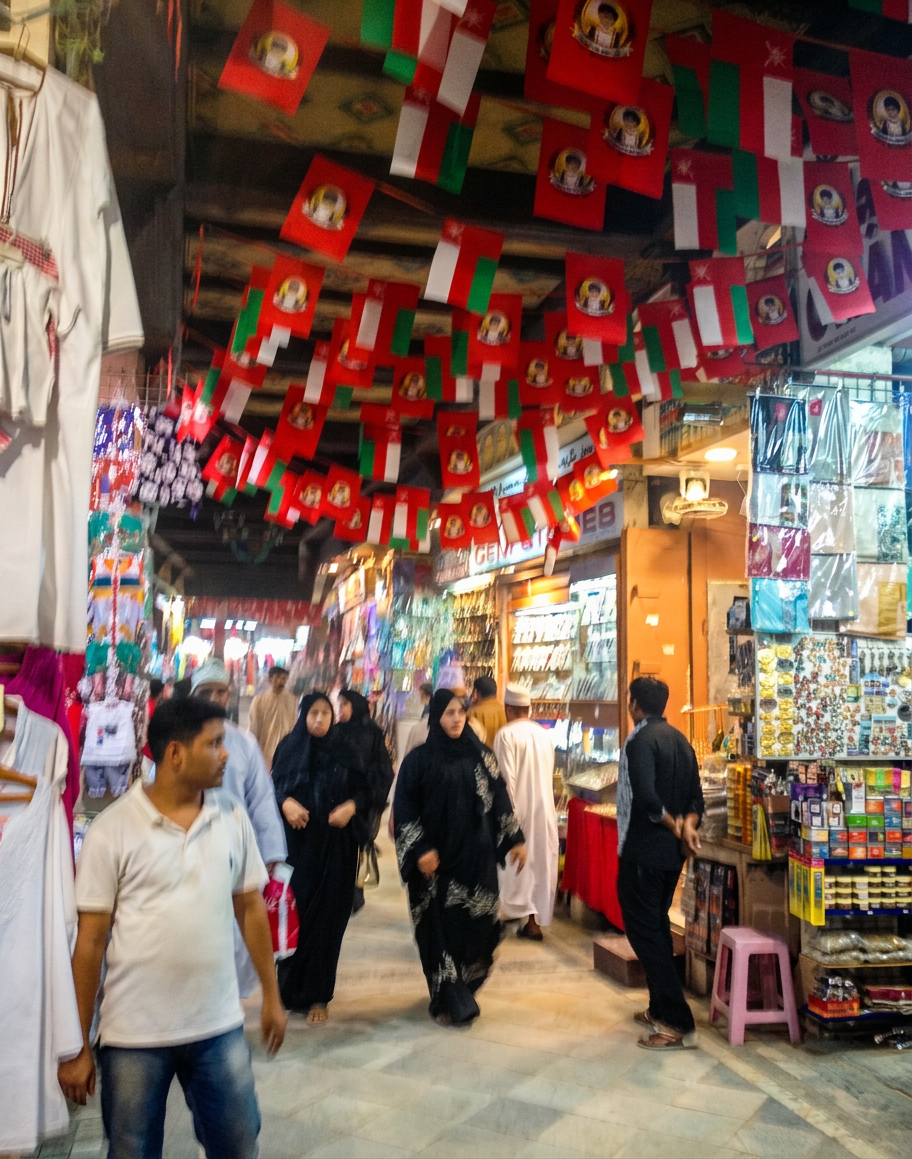
Oman In 2016 Before Saif Sareea 3

Domestic Distractions Don’t Disguise Escalation in Ukraine

Although the nature of war doesn’t change in the sense of its primeval violence and devastating effects, the way war is waged has changed dramatically in the past year. Throughout history, there has always been a balance between attrition and manoeuvre, or indirect fire and close combat. The invention of the tank in the 20th century gave the advantage to the latter, but missile and drone technology has reversed this in 21st century war.

So what has changed during the past year in the Russo-Ukrainian War? I see three major evolutions. The first is more civilian targeting; 2025 was the deadliest according to the UN and this year the trend has continued, with the grim attack on the Kyiv Flea Market last night as a prime example. The second is strategic targeting; Moscow has always used missiles to hit major cities in Ukraine, but advances in drone technology have allowed Kyiv to strike effectively all over Russia. The third is linked to the other two and is the most depressing of all – the rules of war are being increasingly broken in terms of treatment of prisoners and respect for non-combatants.

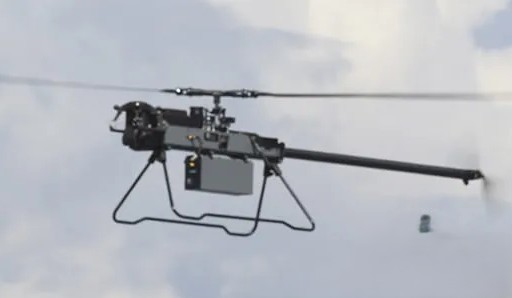
This is more and more looking like total war and the risks of further escalation, either in terms of violence spreading into Free Europe, or the use of battlefield nuclear weapons in Ukraine is increasing. So what should we do about it? One thing that isn’t being spoken about, which I believe would help, is to form a separate Air Defence (AD) branch in the MoD. Of course there will be huge resistance from the Royal Navy, Army and Royal Air Force, but we must learn the lessons from the Middle East and Ukraine and adapt accordingly to the new character of war.

The Defence Secretary’s First Dilemma

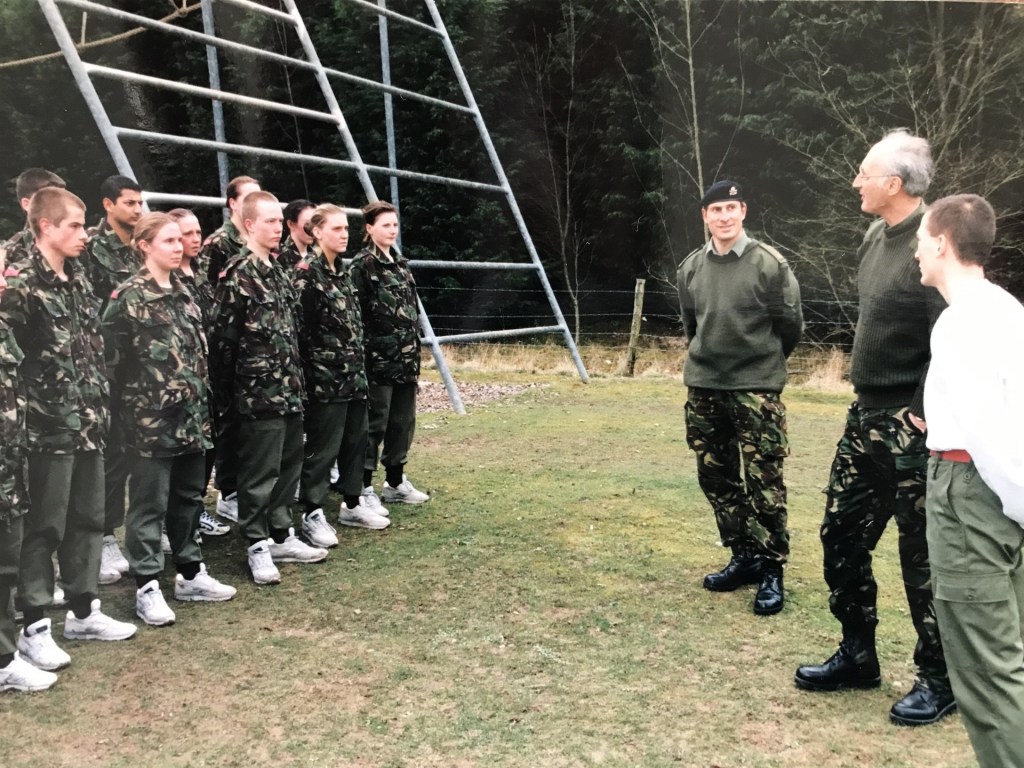
It is almost 30 years since I introduced mixed gender training into the Royal Armoured Corps’ recruit training programme at Winchester. During that time, I had to deal with several instances of female complaints about harassment, when I needed to take decisive action against the perpetrators. Our best practice was eventually spread across the individual training system; I am therefore appalled to hear that the measures we established about core values have not been maintained at the Army Foundation College (AFC) and yet again the Army’s reputation is being tarnished by a philistine few.

The AFC was supposed to be the jewel in the crown of recruit training. It takes young teenagers with the potential to succeed in technical corps and provides education as well as military training before they join their chosen regiments. By definition, the recruits are more intelligent than those destined for the Poor Bloody Infantry (PBI). They should therefore be more receptive to instruction about the values, attitudes and behaviour expected in today’s army.

This is the first important challenge for the new Defence Secretary. He has inherited a responsibility to rebuild the Army to cope with the sort of war that we see on the front line in Ukraine; dirty, exhausting, frightening and grim. The sort of fighting that drains the colour and courage from a human body.

To succeed on the modern battlefield, you need incredible self-discipline and stamina. You only have to look at the Commonwealth Games, or elite level sports teams, to know that there are plenty of young British men and women with those attributes. So what has gone wrong at Harrogate? In a word, supervision. Thirty years ago, the Army ensured its commanding officers strictly followed the Investors in People (IiP) conventions. However, our leadership gave this up as too time-consuming and allowed subordinates more leeway in managing their soldiers.

This has now become a fundamental dilemma for the new Defence Secretary. On the one side, he has to increase numbers and instil a tough warrior ethos in the Army. On the the other hand, he has the challenge of young soldiers complaining about their hardships, encouraged by dedicated campaigners against teenage recruiting, amplified by social media outlets and roused by legal opportunists.

My advice to the new Defence Secretary is to take decisive action. Check the complaints are not by people working the system and if they are genuine, immediately replace the supervisors at Harrogate. More importantly, re-introduce the IiP principles and processes to the individual training organisation, so that instructors are themselves well-led by people who follow the rules.

A Member of the House of Commons Defence Committee Meeting Recruits

Timbuktu to Cueta

It has been a week of natural and man-made disasters in Europe and continuing calamities in Ukraine and the Middle East. However, I wish to focus on the fact that no one in the media is making the connection between the recent events in Mali and the sudden surge of migrants swimming into Spain.

I have written about Mali before. Timbuktu’s mythical reputation for Saharan gold and inaccessibility always intrigued me when I was serving in Libya. I was also extremely impressed by the British peacekeeping contribution to the UN Stabilisation Mission there and was very disappointed when the Royal Air Force Chinooks; Army Combat Teams; Medical Aid and Logistics Support on Operation Newcombe were pulled out after the Pandemic.

Since then, French influence has been replaced by Russian mercenaries, but they have not been able to quell the Jihadist rebels and Tuareg independence movement. This irregular alliance has recently advanced into government held territory and led to a surge of forced migration from the North African coast and in this case, the crisis in Cueta.

Now we learn that the Russians have reinforced their units with armoured vehicles that slipped through the English Channel recently, onboard the sanctioned freighter, Mikhail Britnev. Inevitably, the fighting will now become more bitter and the humanitarian consequences will worsen. It is time for the UN to roll up its sleeves, not just stand on the touchline.

When The UN Had Teeth