Why The SDR Has Not Been Signed Off

There is a very important, long-standing convention agreed between the Treasury and Government Departments that is currently under question. In the past, whenever an unexpected crisis hits the country, the extra costs to the Departments on top of programmed activity is paid out of the Government Reserve. Examples since 2000 include the Foot and Mouth epidemic (which did for the Ministry of Agriculture, Fisheries and Food), Avian Flu and of course, Covid (Department of Health and Social Care).

In the case of the Ministry of Defence, the costs of the deployed operations to Iraq and Afghanistan were both picked up by the Treasury. This money alleviated the MoD at a very tricky time because we had effectively ran out of money for programmed activity in 2004. The Army benefitted in many ways, for example the specialist armoured vehicle fleet was completely upgraded between 2005 and 2010, thanks to this reserve fund.

The current costs of Britain’s military contribution to the war in the Middle East are the latest example of the use of the Treasury’s reserve…but they don’t like it. The official government line that we are only involved in defensive operations is a half-truth as it is designed to placate the many “Stop The War” groups that have emerged in the past few years. The truth is that the Permanent Joint Headqaurters is a hive of activity organising the maritime, air, land and special forces capabilities that are deployed in the Theatre of Operations. Some of these capabilities that have been neglected since they were pulled out of Afghanistan are now being upgraded with new technology through Urgent Operational Requirements that are incredibly expensive.

These extra costs have distorted the picture for the SDR and as a result the Treasury is trying to claw back money from the MoD, rather than dig into the reserve. Hence the unusual intervention from Lord Robertson this week. The real question is: why isn’t the Media reporting this?

Lord Robertson Is Right, but…

The eminent former NATO Secretary General bravely tackled the Welfare Budget issue yesterday, but he failed to talk about the two enormous elephants in the room. The first is how Britain’s education system has deliberately sabotaged the Armed Forces by denigrating military life and putting off young men and women from joining-up. The second is how money for the uniformed services has been syphoned-off by Security Mandarins in Vauxhall.

Twenty five years ago the Army’s Student Presentation Teams reported growing difficulty in accessing some urban schools even though they offered to deliver some of the National Curriculum’s mandated lessons. At that time, I spoke to over ten thousand head teachers and community leaders in towns and rural areass throughout England, Scotland, Wales and Northern Ireland. They were overwhelmingly supportive of the Armed Forces and the need to instil in young people a sense of duty to the country and high achievement, which in turn provided positive encouragement for a military career. However, since then, under the misguided banner of anti-elitism and the naive assumption that Britain is not under threat, military careers have been put in the dustbin and Lord Robertson’s “corrosive complacency” has taken hold in Whitehall.

The second “elephant” can be traced to the publication of the 2010 Strategic Defence and Security Review. That was the moment when the security services, which had been underfunded for decades by the Home Office and Foreign and Commonwealth Office, licked their lips because they suddenly had access to the Armed Forces’ money. Adding a second whammy of making the MoD pay for the nuclear capability meant that the Army in particular was hollowed-out so much that it could no longer deploy and sustain a full armoured brigade on operations abroad. The mantra under successive governments was that the old way of fighting with main battle tanks was over. However, what has been made absolutely plain in Ukraine and Iran is that Air Power alone will not prevail and you still need large mechanised armies to defend your country.

The third issue was touched on briefly by some Media commentators yesterday. Why did it need an 80 year-old former MP to raise this issue? Winston Churchill was under 60 years old when he took up the re-armament issue in the early 1930s when appeasement was holding sway. He and others such as Hugh Dalton, a Welsh Labour MP who was three years younger than Churchill, were accused of warmongering, but they were proved to be right. So the real question is: where are the current MPs who will take up this cudgel, before it is too late?

A Time When Tanks Were Valued

Same Strategy As Russia: Reinforcing Red Lines

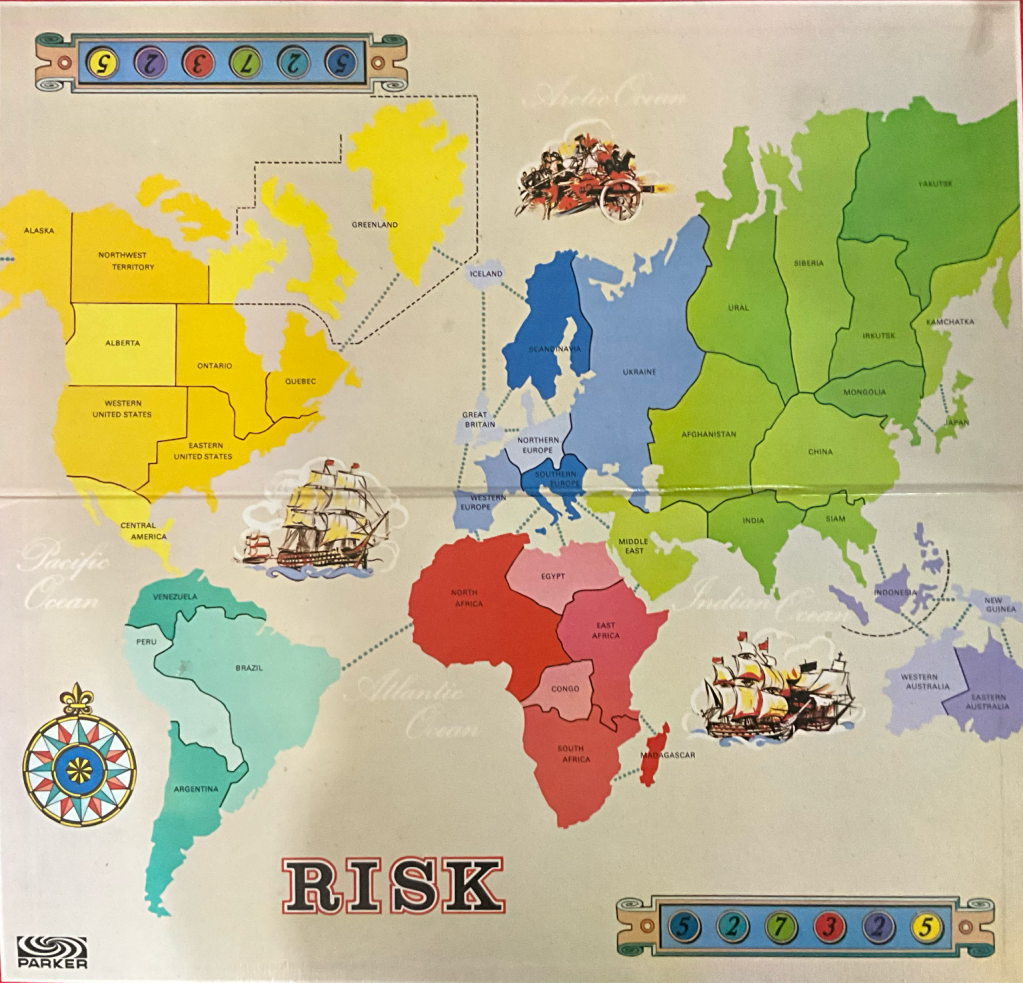
When I was six years old, I spent much time playing board-games with my best friend, who went on to win the coveted “Financial Journalist of the Year Award in the City of London. Our favourite game was a strategy game of diplomacy, conflict and conquest named Risk, which required six players to form alliances, in order to capture territories and eventually take over the world. Inevitably, the six players were whittled down to my friend and I, who could never quite defeat each other and so, more often than not it ended in a draw.

At the time of the Cold War, Risk replicated the duality of a World dominated by the USSR and USA. Today, Globalisation has provided economic opportunities for regional powers to shed their obsequience and establish true independence. So why have Russia and America launched unpopular wars against very large independent countries, which are only benefitting their main economic rival? The simple answer is medium-range missiles, natural resources and allies. In the case of Putin, his red lines have always been: Preventing Kyiv from allowing NATO to build missile bases within range of Moscow; natural resources in the Donetsk; and Ukraine’s control of the Russian outlet into the Black Sea. Strangely, America’s red lines are similar: missiles that can reach Israel (with or without nuclear warheads); Iran’s key allies (Hezbollah, Hamas, Houthis); and Tehran’s control of the Strait of Hormuz.

So after the failed diplomacy in Islamabad, the US President is again following Putin’s strategy by reverting to containment with a beefed-up blockade and an enormous amount of propaganda, in order to reinforce Israel’s Red Lines. In this high powered game of Risk, it does seem that America and Russia are using the same strategy, but that they are being outflanked by the third player, XI Jinping, because China has just become the number one car seller in the UK.

Fool If You Think It’s Over

As I looked at the Markets’ reaction to the news on Tuesday that a ceasefire had been agreed between Iran and the USA, I thought about Kenneth Wolstenholme’s famous quote at the 1966 World Cup Final: “They Think It’s All Over…”.

However as the truth emerged, I was reminded of three months in 1978, when I drove from Fort Lauderdale to San Francisco in a beaten up Mercury Montego. As I travelled along I-10 listening to an 8-track and FM Radio, I first heard the late Chris Rea’s brilliant single, Fool (if you think it’s over). It’s haunting tune and catchy lyrics are so apposite today because we can all see that it will not take much for the Air Attacks in the Middle East to return: no compromise; no diplomacy; no cultural understanding, no trust.

For ordinary people, there is plenty that we can do to mitigate the effects of a resumption of war in the Gulf, or an attack by Russia in the Baltics. However, what is of greater concern is the continued lack of understanding by the Media of the need to galvanise Britain into preparing for the worst. It really is time to bring back National Service and a sense of duty to the country.

Unintended Consequences?

The question I wish to ask the US President after his expletive outburst today is: did the Pentagon warn you about the probable consequences of following Israel’s lead and waging war on the 17th largest country in the World?

I know that ever since the Iraq War, the US military has developed an outstanding Red Teaming capability. This is the art of applying independent, structured critical thinking…from a variety of perspectives, to challenge assumptions and fully explore alternative outcomes, in order to reduce risks and increase opportunities. I led a Red Team for Force Development work in 2011, before deploying to Libya and was given access to the results of a Washington Think Tank’s analysis and the US modelling of a war with Iran. I know how excellent the Fort Leavenworth team is and I am certain they will have learned lessons from Russia’s failure to defeat Ukraine and identified the most predictable outcomes before launching Operation Epic Fury on 28 February.

History has repeatedly shown us that Air Power alone will not win a war and denigrating your opponents as “rats” and “cowards” only serves to stiffen their resolve. So now that Washington has failed to overturn the Iranian regime and win the war in the timeline they set out, what are the ramifications? First, the US military is embroiled in another unwinnable war in the Middle East. Second, due to the impact on World trade, commerce and financial markets, the USA has lost many of its friends and allies. Third, the USA has lost its reputation as Global Leader of the Rules Based World Order and handed China and Russia an enormous boost as a result of their aggression.

Are these unintended consequences, or acceptable collateral in the thinking of President Trump and his cronies? His demeanour this week suggests the former, so perhaps it is time for him to call in the Red Team because he obviously hasn’t listened to them so far!

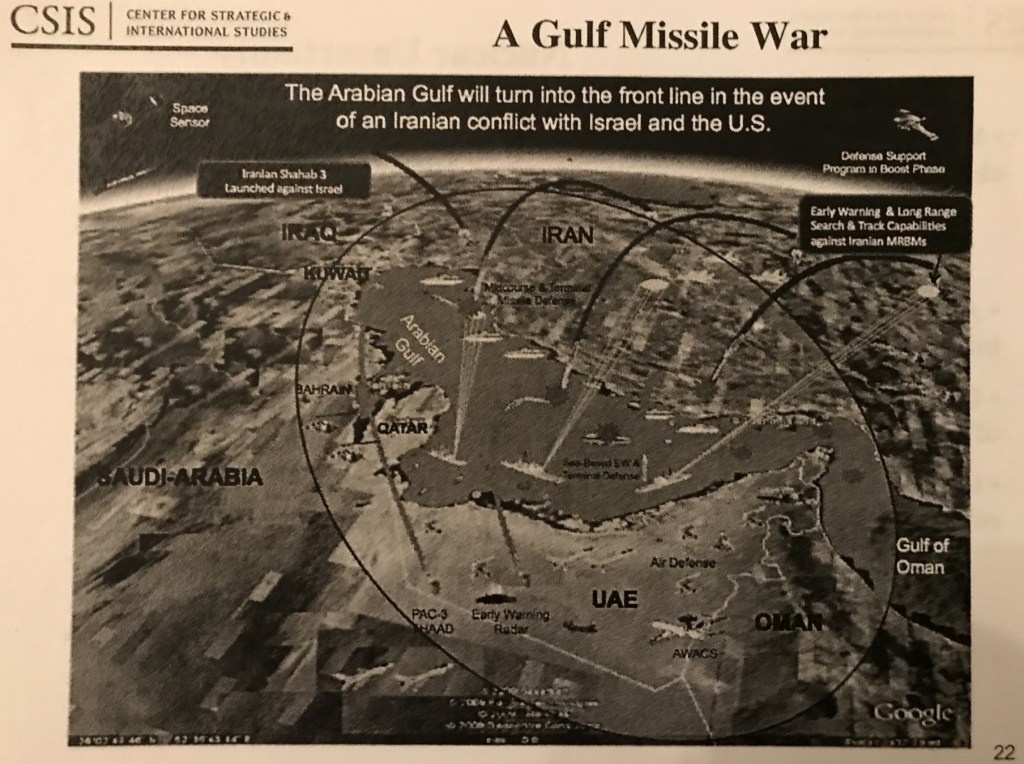
From A CSIS Briefing Fifteen Years Ago

Canada’s Head of State To Meet With Trump

The media coverage of the announcement that His Royal Highness King Charles will visit Washington at the end of April and meet the US President focused on two issues. The first was the UK-US diplomatic relationship in the context of the botched regime-change mission in the Middle East and the second was whether the king would meet Prince Henry, who now lives in America. To my mind, they missed the most important point, which is that our king is also monarch of the largest country in North America.

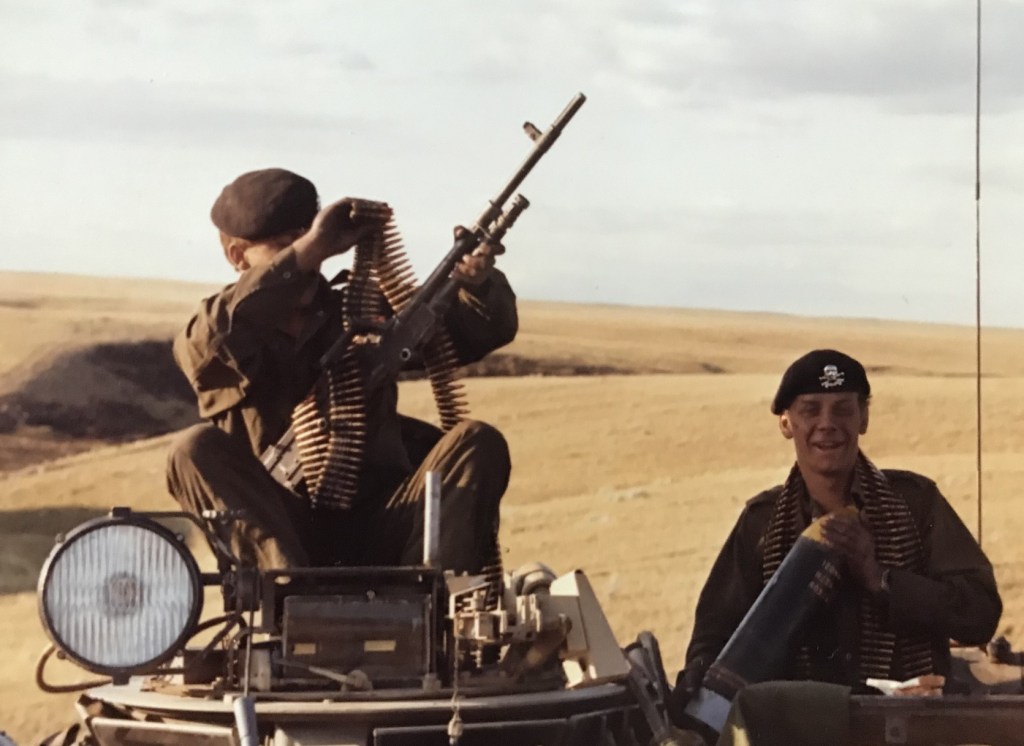
I know something of Canada having researched their military contribution in World War I, met First Nation Cree, canoed down the Athabasca river, hitch-hiked through the Rocky mountains and manoeuvred tanks around the Alberta prairie. I also worked with many of their peacekeepers and had a detachment of their outstanding soldiers under command in Bosnia 30 years ago. Canada is a magnificent land with friendly people and unlimited resources. It is also a vital member of the North Atlantic Treaty Organisation as, together with Denmark’s Greenland, it flanks the waters west of Iceland. The country has a distinguished Prime Minister, who has led his government with great distinction for the past 12 months.

We all know that behind the scenes of State Visits there are detailed discussions as an agenda is formulated which suits both sides. No doubt, the one in April will be tactful and diplomatic; however, just this once, it would be wonderful to know that the king will also represent Canada and ensure Washington understands that we value our loyal, reliable and authentic relationship with them because they follow the Rule-Based International Order.

Suffield – 1982