
It is almost 30 years since I introduced mixed gender training into the Royal Armoured Corps’ recruit training programme at Winchester. During that time, I had to deal with several instances of female complaints about harassment, when I needed to take decisive action against the perpetrators. Our best practice was eventually spread across the individual training system; I am therefore appalled to hear that the measures we established about core values have not been maintained at the Army Foundation College (AFC) and yet again the Army’s reputation is being tarnished by a philistine few.
The AFC was supposed to be the jewel in the crown of recruit training. It takes young teenagers with the potential to succeed in technical corps and provides education as well as military training before they join their chosen regiments. By definition, the recruits are more intelligent than those destined for the Poor Bloody Infantry (PBI). They should therefore be more receptive to instruction about the values, attitudes and behaviour expected in today’s army.
This is the first important challenge for the new Defence Secretary. He has inherited a responsibility to rebuild the Army to cope with the sort of war that we see on the front line in Ukraine; dirty, exhausting, frightening and grim. The sort of fighting that drains the colour and courage from a human body.
To succeed on the modern battlefield, you need incredible self-discipline and stamina. You only have to look at the Commonwealth Games, or elite level sports teams, to know that there are plenty of young British men and women with those attributes. So what has gone wrong at Harrogate? In a word, supervision. Thirty years ago, the Army ensured its commanding officers strictly followed the Investors in People (IiP) conventions. However, our leadership gave this up as too time-consuming and allowed subordinates more leeway in managing their soldiers.
This has now become a fundamental dilemma for the new Defence Secretary. On the one side, he has to increase numbers and instil a tough warrior ethos in the Army. On the the other hand, he has the challenge of young soldiers complaining about their hardships, encouraged by dedicated campaigners against teenage recruiting, amplified by social media outlets and roused by legal opportunists.
My advice to the new Defence Secretary is to take decisive action. Check the complaints are not by people working the system and if they are genuine, immediately replace the supervisors at Harrogate. More importantly, re-introduce the IiP principles and processes to the individual training organisation, so that instructors are themselves well-led by people who follow the rules.
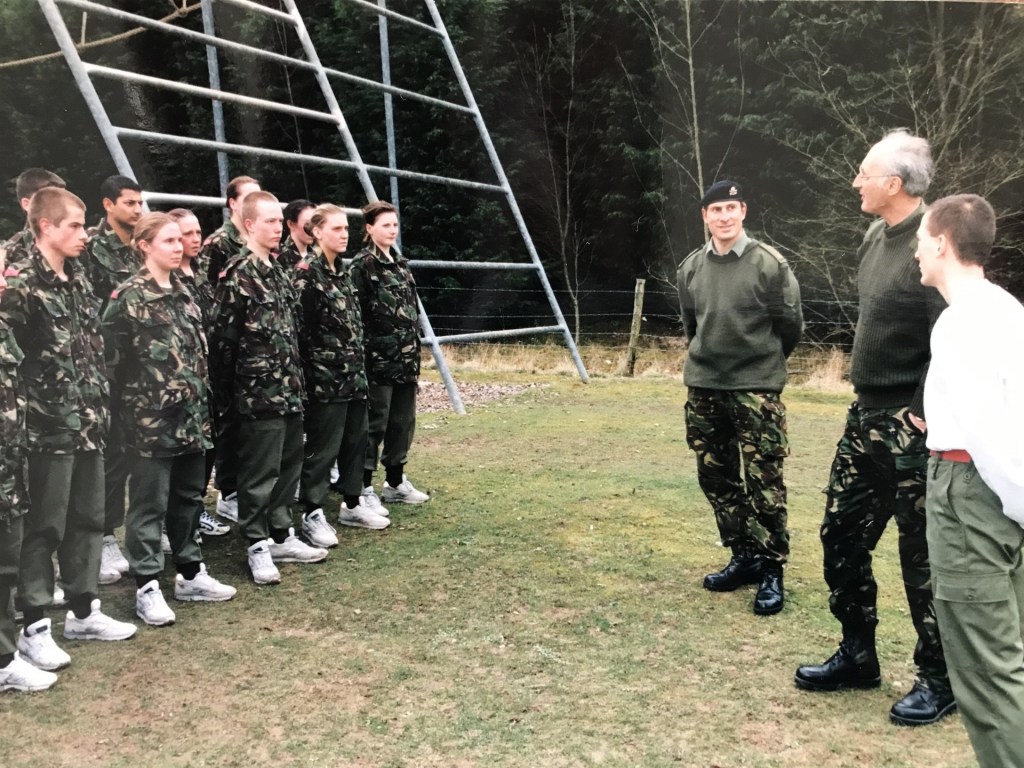
A Member of the House of Commons Defence Committee Meeting Recruits