
ANZAC Day – My Tribute

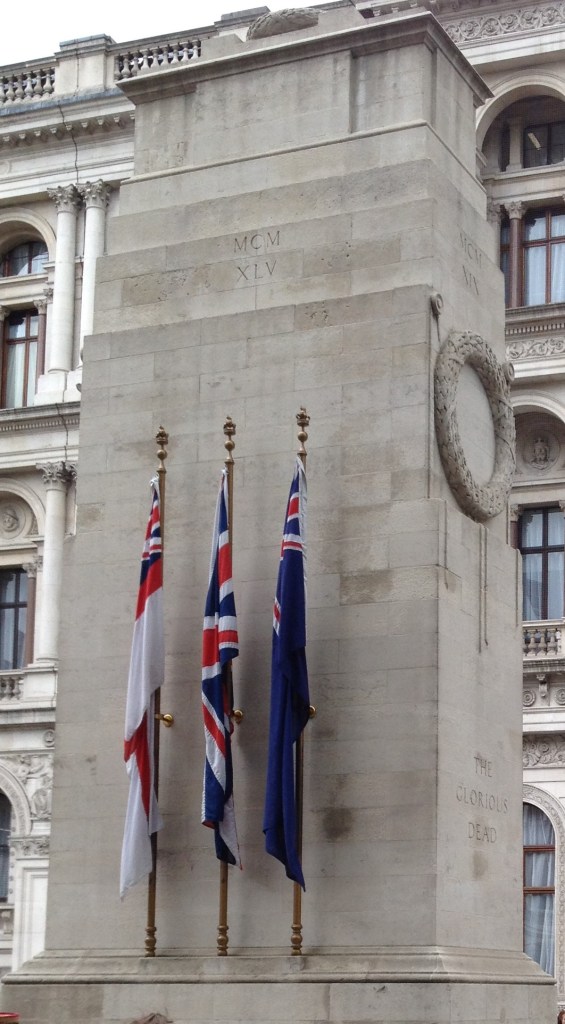
There is still much to be said about the wars in Ukraine and Middle East as well as Britain’s Strategic Defence Review, but today is ANZAC Day and so, I wish to honour the brave soldiers, sailors and air personnel who lost their lives fighting for a free world. My father was extremely proud to serve in the Australian Army for two years during the Korean War and he would be delighted that the Royal Family participated in the commemorations in London today.

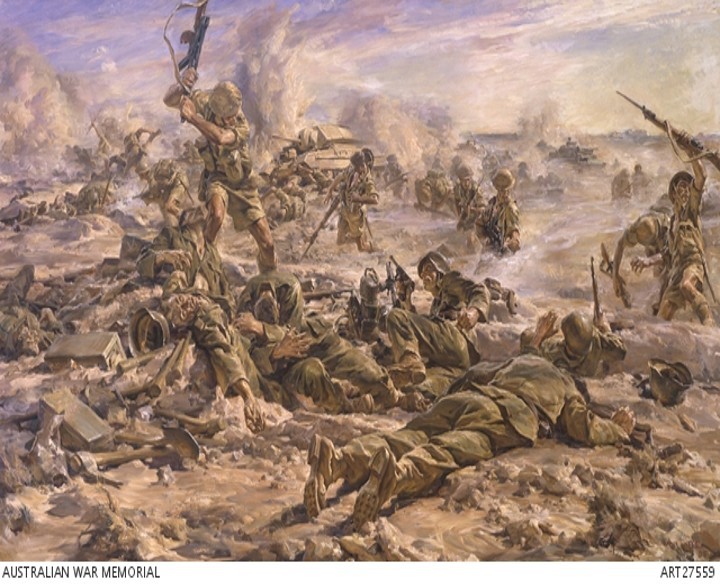
Although the Aussies claim ownership of the Gallipoli Campaign, I believe their most important contribution in the two world wars was in North Africa in April 1941. This was the defence of Tobruk by Major General Leslie Morshead’s 6th Australian Division after the British 2nd Armoured Division capitulated in the desert battle with Erwin Rommel. The first hand-to-hand combat between Australia and Germany in World War II was a victory for the Southern Hemisphere and more importantly it showed the world that Hitler’s up-to-then invincible Blitzkrieg was beatable. But it came at a cost.

Rommel had ordered his armoured troops to attack the outer perimeter at 1700 hours on Easter Sunday. After a fierce artillery exchange, a breach in the line was exploited by the Afrika Korps. Sensing this critical moment, 22 year-old Lieutenant Austin Mackell of 2/17th Australian Infantry Battalion took out a fighting patrol and stumbled on a major enemy position with six machine guns, mortars and field guns. Mackell was involved with three enemy soldiers and called for help. A giant of a man from Wagga Wagga, Corporal John Hurst Edmondson, who was wounded in the neck and stomach, came across and rescued his platoon commander. Sadly he died of his wounds, but for his conspicuous bravery and sacrifice he was awarded the first Victoria Cross to be awarded to an Australian in World War II (14 April 1941).

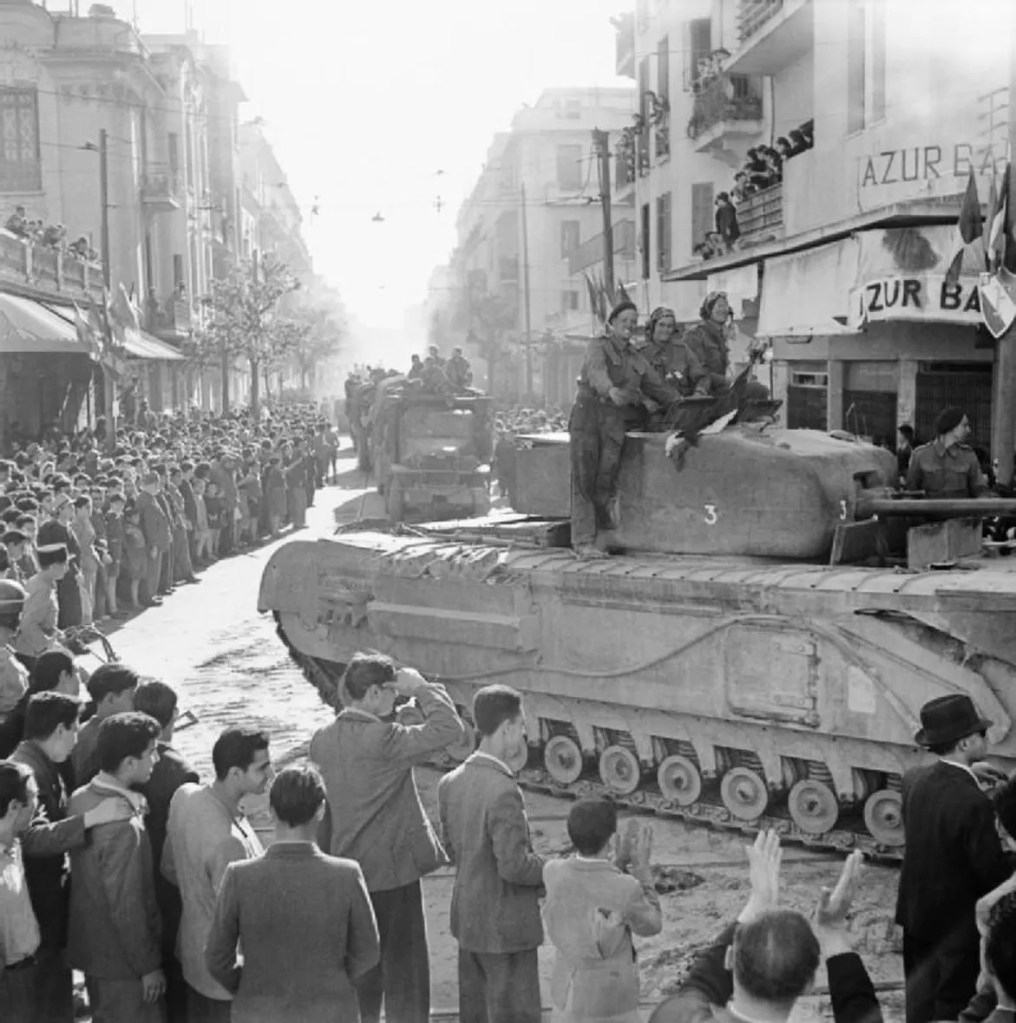
The siege of Tobruk continued until November, when Colonel Sydney Hartnell of 19th New Zealand Battalion, part of General Auchinleck’s relief force, symbolically shook hands with Brigadier Arthur Willison, commanding 32 Brigade. The ANZAC bravery continued in North Africa in 1942, with five of the six VCs awarded in Egypt being presented to New Zealand and Australian soldiers. The full story is in my book, Liberating Libya.

I was never fortunate enough to be sent to the Antipodes during my time in the Army, but I did have an outstanding young New Zealand artillery detachment under command in Bosnia in 1995. When we were attacked by the Bosnian Serb army, they all performed in combat in the finest traditions of their distinguished predecessors, who earned fame at Tobruk and El Alamein 50 years before.

Alamein 1942

Lord Robertson Is Right, but…

The eminent former NATO Secretary General bravely tackled the Welfare Budget issue yesterday, but he failed to talk about the two enormous elephants in the room. The first is how Britain’s education system has deliberately sabotaged the Armed Forces by denigrating military life and putting off young men and women from joining-up. The second is how money for the uniformed services has been syphoned-off by Security Mandarins in Vauxhall.

Twenty five years ago the Army’s Student Presentation Teams reported growing difficulty in accessing some urban schools even though they offered to deliver some of the National Curriculum’s mandated lessons. At that time, I spoke to over ten thousand head teachers and community leaders in towns and rural areass throughout England, Scotland, Wales and Northern Ireland. They were overwhelmingly supportive of the Armed Forces and the need to instil in young people a sense of duty to the country and high achievement, which in turn provided positive encouragement for a military career. However, since then, under the misguided banner of anti-elitism and the naive assumption that Britain is not under threat, military careers have been put in the dustbin and Lord Robertson’s “corrosive complacency” has taken hold in Whitehall.

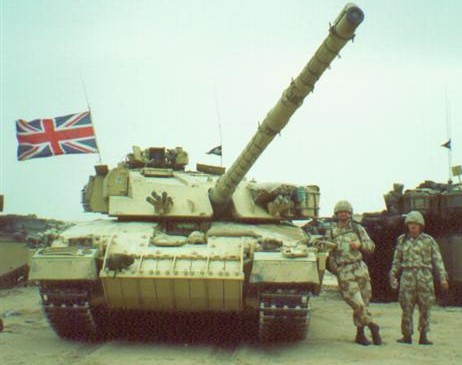
The second “elephant” can be traced to the publication of the 2010 Strategic Defence and Security Review. That was the moment when the security services, which had been underfunded for decades by the Home Office and Foreign and Commonwealth Office, licked their lips because they suddenly had access to the Armed Forces’ money. Adding a second whammy of making the MoD pay for the nuclear capability meant that the Army in particular was hollowed-out so much that it could no longer deploy and sustain a full armoured brigade on operations abroad. The mantra under successive governments was that the old way of fighting with main battle tanks was over. However, what has been made absolutely plain in Ukraine and Iran is that Air Power alone will not prevail and you still need large mechanised armies to defend your country.

The third issue was touched on briefly by some Media commentators yesterday. Why did it need an 80 year-old former MP to raise this issue? Winston Churchill was under 60 years old when he took up the re-armament issue in the early 1930s when appeasement was holding sway. He and others such as Hugh Dalton, a Welsh Labour MP who was three years younger than Churchill, were accused of warmongering, but they were proved to be right. So the real question is: where are the current MPs who will take up this cudgel, before it is too late?

A Time When Tanks Were Valued

Arctic Security

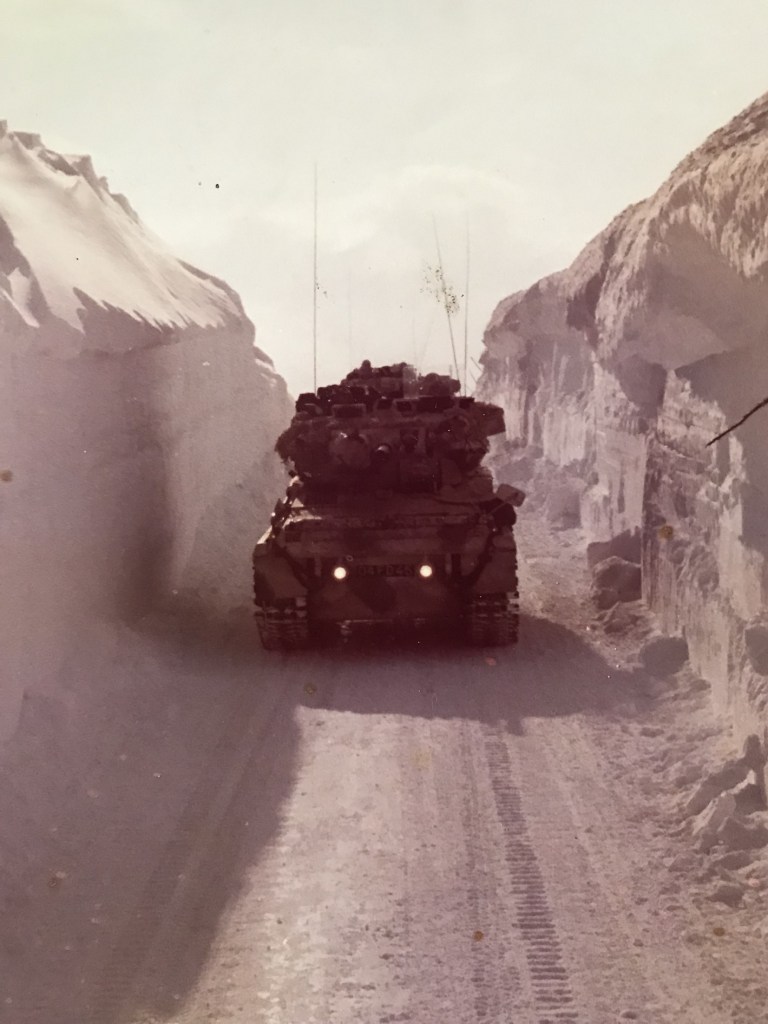
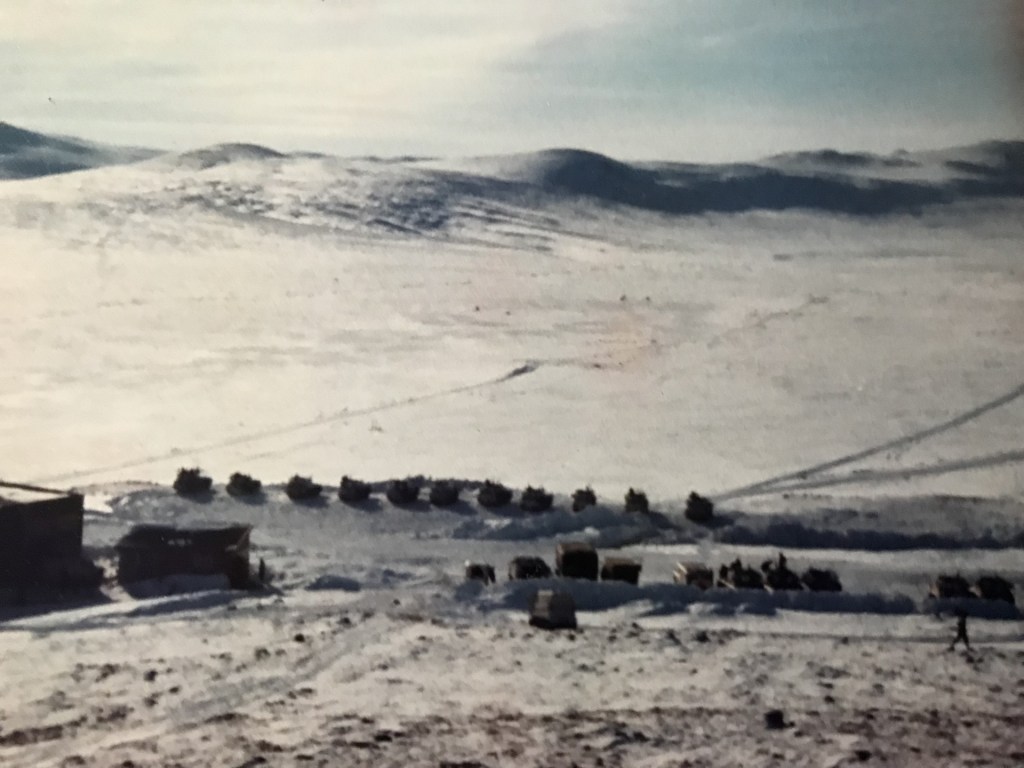
I have written before about my early experience with the ACE Military Force, when I patrolled inside the Arctic Circle as part of NATO’s northern flank protection mission, watched by Soviet Bear aircraft. Apart from three months winter warfare training in Northern Norway, we also took our tanks to Esbjerg, where I learned about Danish history at first hand. What impressed me particularly was the way Denmark rebuffed a megalomaniac bully in World War I and saved most of their Jewish community after Hitler invaded in World War II.

Danish DNA is one of the main constituents of British people, especially in the North East of England. We only have to look to the last century, when a Danish princess became Queen Consort of the United Kingdom, to see how close we are. And a wise Danish king, who ruled England one thousand years ago, gave us one of the most important freedoms ingrained in British law: a freeholder’s right to protect their crops and domestic animals from harm.

I have given talks about civil-military co-operation in Oslo and Stockholm and had the honour to command a courageous Danish detachment in Baghdad. So, it pains me to see the current dispute that is threatening to break the North Atlantic Alliance. The reasons why the international order that has lasted 80 years is failing to keep the peace are complex, but the proposed US land-grab of Denmark’s autonomous territory is a symptom, not a cause.

Trump’s justification for taking Greenland by force is similar to Argentina’s occupation of The Falklands, or Mussolini’s intimidation and invasion of Albania. It doesn’t help that Europe has neglected Arctic security since the Cold War and did nothing about the US intervention in Venezuela. But, history tells us that bullies cannot be appeased, so any unwelcome US seizure of territory belonging to a European sovereign state must be resisted.

British Tanks In Northern Norway