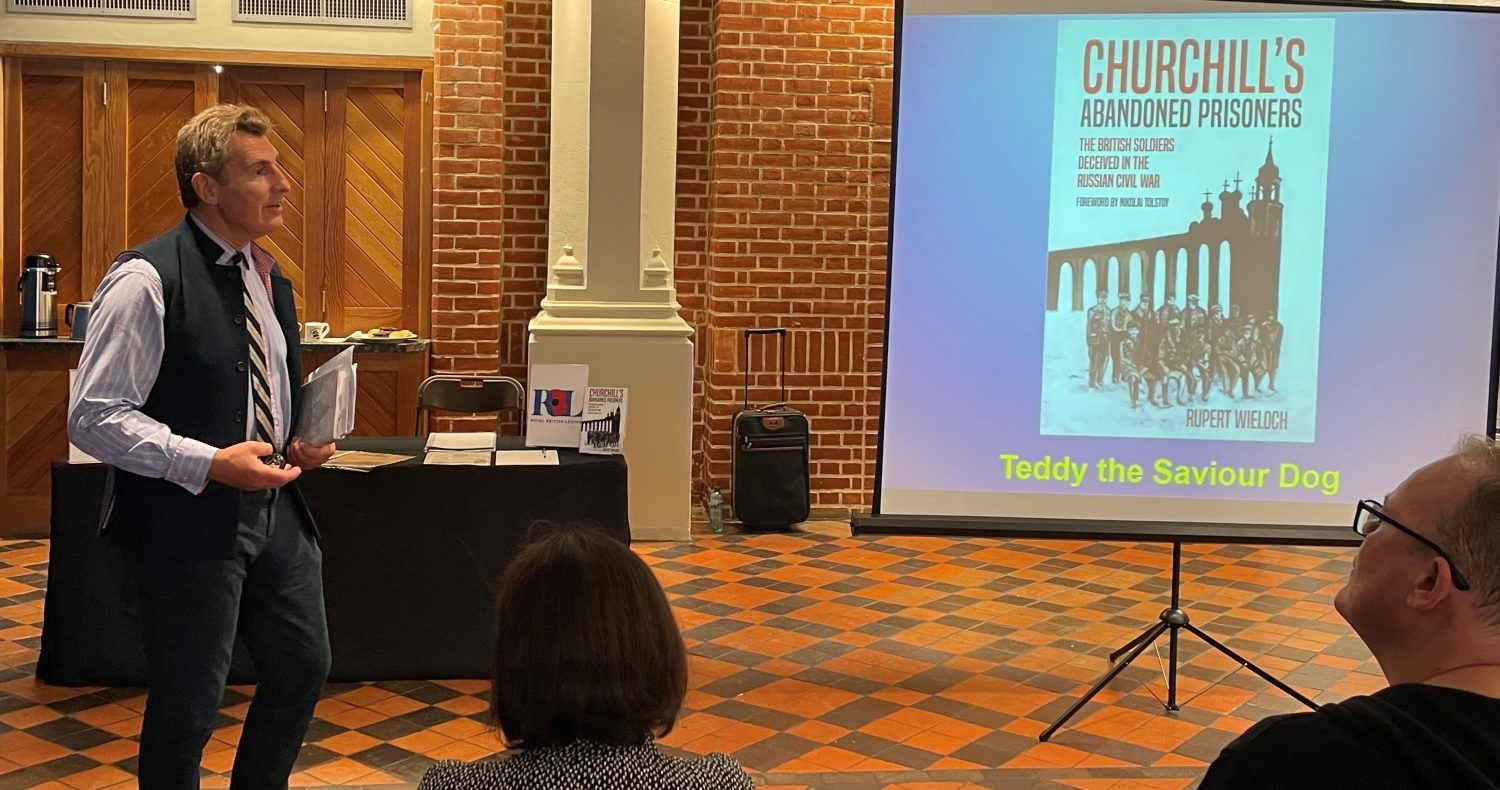

I am looking forward to giving my talk on the Allied battles in French North Africa tomorrow in Winchester, especially as it was the 83rd anniversary of the capture of Tunis by Lieutenant General Horrock’s IX Corps on Thursday.
This is another forgotten campaign that was pivotal in the defeat of Nazi Germany. Although it lasted only six months (8 November 1942 to 13 May 1943), it is important historically because it was the first occasion in WWII when British and American formations fought together side by side. It also introduced key American military leaders such as Eisenhower, Clark, Patton and Bradley to armoured warfare. It turned France from foe to friend. And its result was as devastating to Hitler as Stalingrad, with 350,000 of his best soldiers killed, or taken prisoner and 3,000 aircraft lost.
After the successful landings on Operation Torch, the USA made many mistakes, such as their flirtation with Nazi sympathiser, Admiral Darlan (who fortunately was assassinated on Christmas Eve). When II (US) Corps failed in battle, tensions between the Allies were tested. Monty put it pithily in his memoir “It was the old story: lack of proper training allied to no experience of war, and linked with too high a standard of living. They were going through their early days, just as we had to go through ours…When the Americans had learnt their lesson, and had gained experience, they proved themselves to be first-class troops. It took time; but they did it more quickly than we did.”
In preparation for my talk, I have been reading Eisenhower’s memoir and two stories strike me as important in the development of US forces from a peacetime army to a mission-focused, well-oiled machine. The first was in Algiers when he found that his orders to support British First Army in the Race for Tunis “were not clearly understood nor vigorously executed” An American Brigade commander had asked for M3 Half Tracks to take his troops the 700 miles to the front line, but the American staff officer to whom he was appealing had refused permission “on the ground that the march would consume half the useful life of the vehicle!” This staff officer had not accepted that war is synonymous with waste and that “every positive action requires expenditure”. Within five minutes of this issue reaching Ike, the brigadier was on his way with the orders he sought.
The second story is how Eisenhower dealt with II Corps after it failed in the battles of Kasserine Pass and Fondouk. He had a long discussion with General Alexander and asked that II Corps should not be removed from the line of battle. but instead should be employed as a whole in the final assault (Op Strike). Partly, this was because he realised that the bulk of the ground forces required by the Allies to defeat Germany would have to come from America and the need for more battle training was self-evident. There was also an urgent need to provide a sense of accomplishment to the people back home and to generate an effective sense of partnership. II Corp’s subsequent successful capture of Bizerte on 7 May fully justified Ike’s decision.
Since the British Army is currently suffering from peacetime-itis, they would do well to study this campaign for its important lessons about success in war.
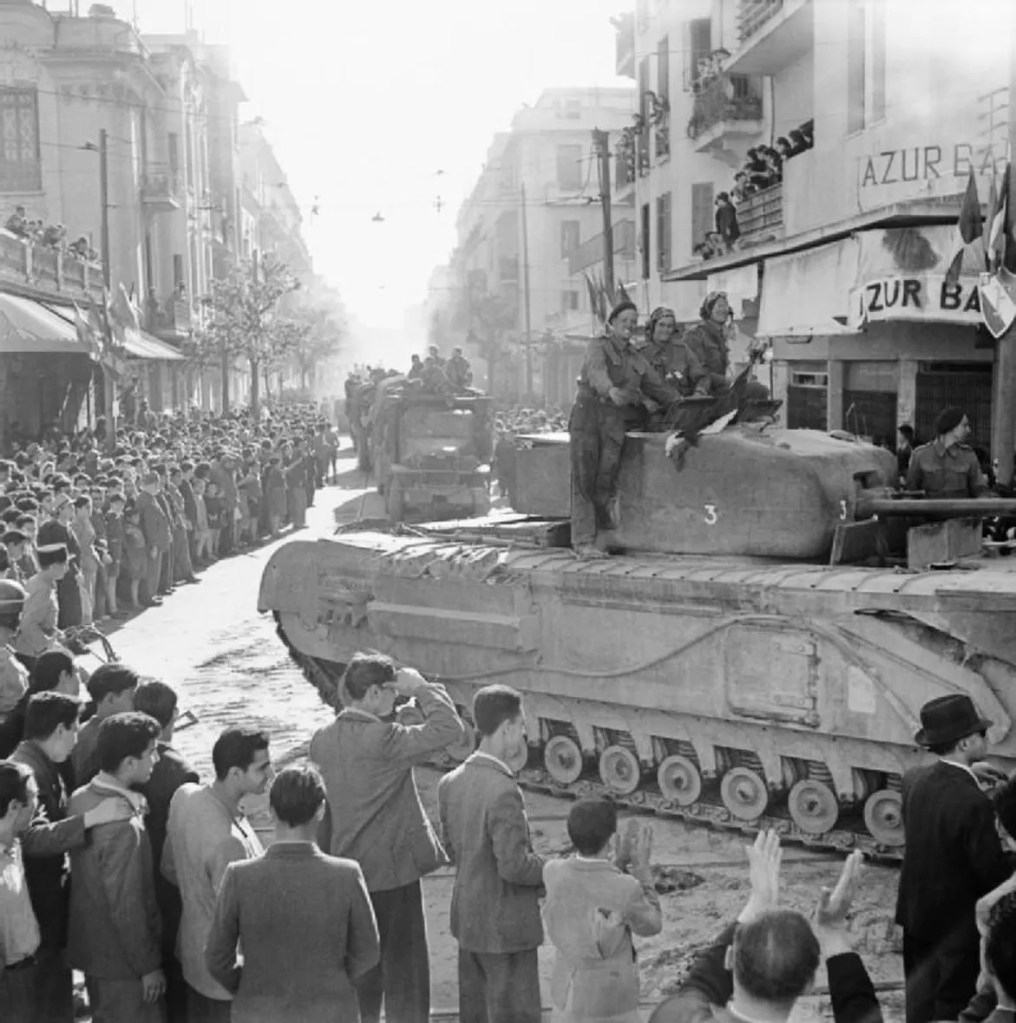
IX Corps In Tunis

