
A month ago I wrote about America’s clumsy attempt at extortion in the Gulf, which was hastily retracted. Now Washington has sunk to a new low by threatening one of the West’s most important allies in the region, where British diplomats and service personnel are embedded in the national armed forces.
Britain has a deep relationship with Oman dating to the 18th century Treaty of Friendship. This was cemented when the Southern Arabian insurgencies began in 1963. Whereas the British government pulled out of Aden, it remained committed to support Oman in their Dhofar War. This was an “undeclared campaign” and although the British Media has focused on the role of the SAS, their involvement was only a small part of the overall British military deployment. For example, my first tank troop sergeant in the 17th/21st Lancers was awarded the equivalent of the Military Medal for bravery in a desert battle and the officer who took over B Squadron from me in 1985 was also recognised for his gallantry when he commanded a troop of Saladin light tanks in the 1970s.
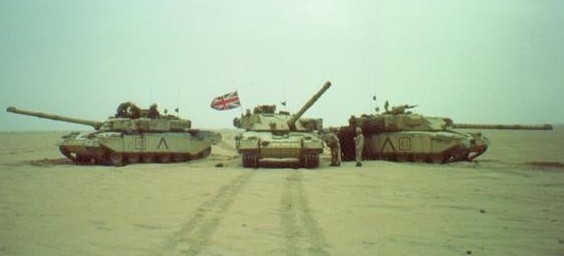
Since then, British soldiers, sailors and air personnel have continued to be embedded in the Omani armed forces on loan service appointments and British military advisors serve in Omani headquarters. In addition, all three British services train there; for example, the series of major combat exercises named Saif Sareea have been vital for identifying lessons that were fixed before operational deployments. The last one involved 5,500 British troops and over 70,000 from the Sultan of Oman’s Armed Forces.
Anyone who knows their history, knows how important Oman is in the Gulf Region and what a good ally it has been to the West. Threatening to bomb Oman is like threatening to invade Greenland. Not only is it illegal, but all it does is store up ill-will and push friends into the adversary’s camp – coercion is not for allies.
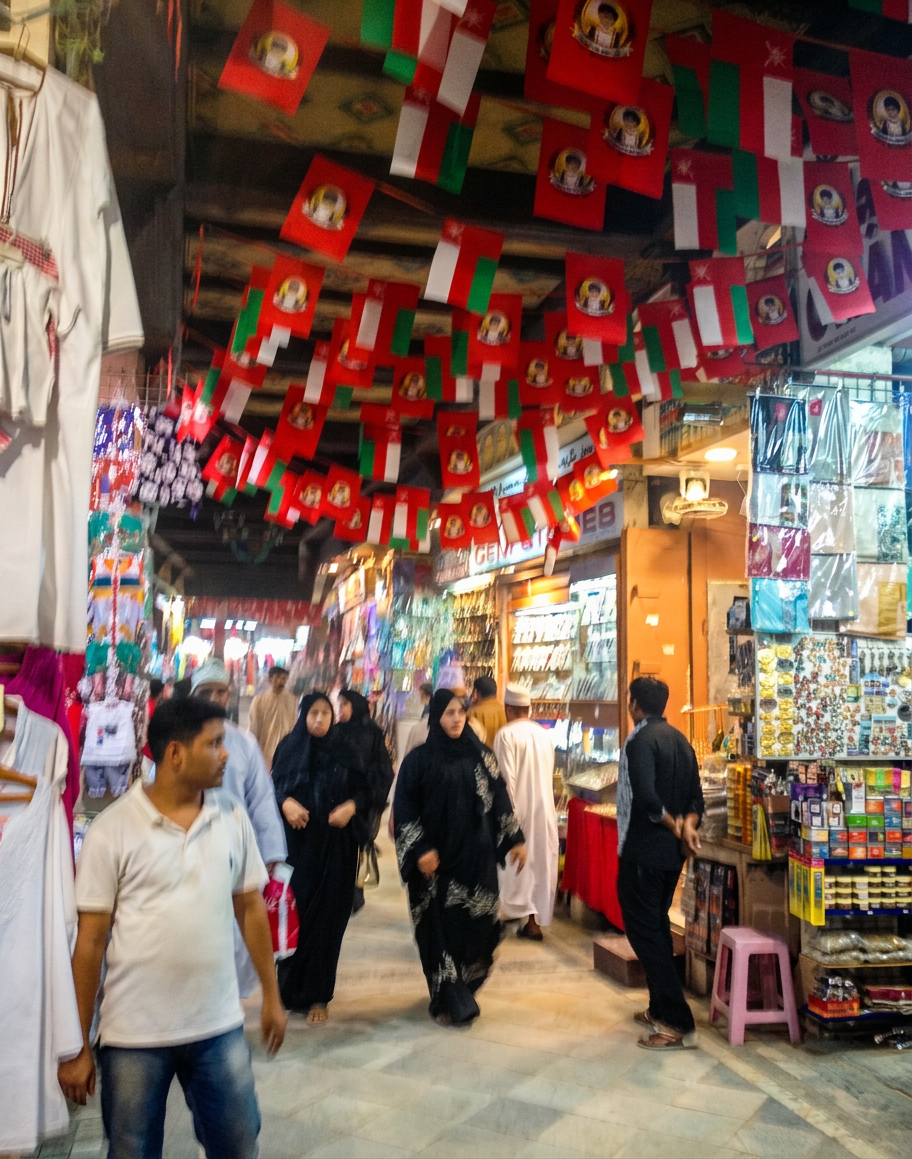
Oman In 2016 Before Saif Sareea 3