Challenges Of Mobilisation

Four years ago, the Chief of the General Staff highlighted the need for Britain and its Allies to do everything to avert another World War in the wake of Russia’s invasion of Ukraine. Since then, we have talked the talk, but not walked the walk. Despite the rhetoric, we are still sadly lacking when it comes to deterring Russia from its path of military adventurism as their missile strikes this week have shown.

Britain began rearming for World War II in 1934, but even with five years preparation, we were not ready by 1939. Yes, we had developed war winning capabilities such as Radar and Spitfire, but the British Army had only nine available Divisions, compared with the enemy’s 78. The situation now is much worse; for example: we currently have no armoured divisions, Russia has 21. It is simply deluded to suggest that technology can replace the need for ground troops.

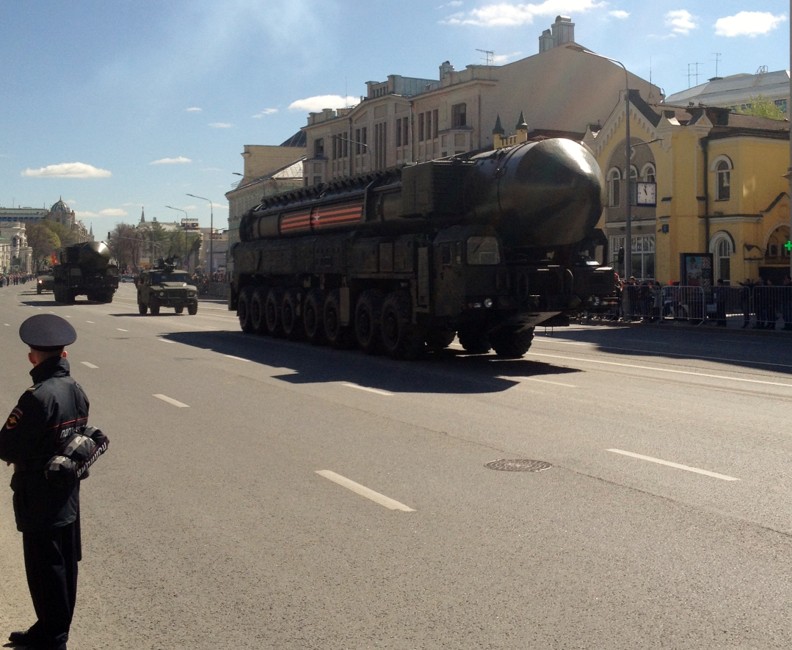
But mobilisation is not just about counting weapons. Russia spent ten years preparing for their invasion in 2022 and still they were shocked by the realities of war. I attended their 2017 military show piece in Moscow and saw the Russian Army’s new equipment and winter warfare capabilities. At that time the British Army was more battle-hardened than the Russian Army. The situation now is reversed as the MoD is deluded with its thinking about technology and more concerned with soldiers’ comforts than instilling the battlefield discipline that is so essential for success.
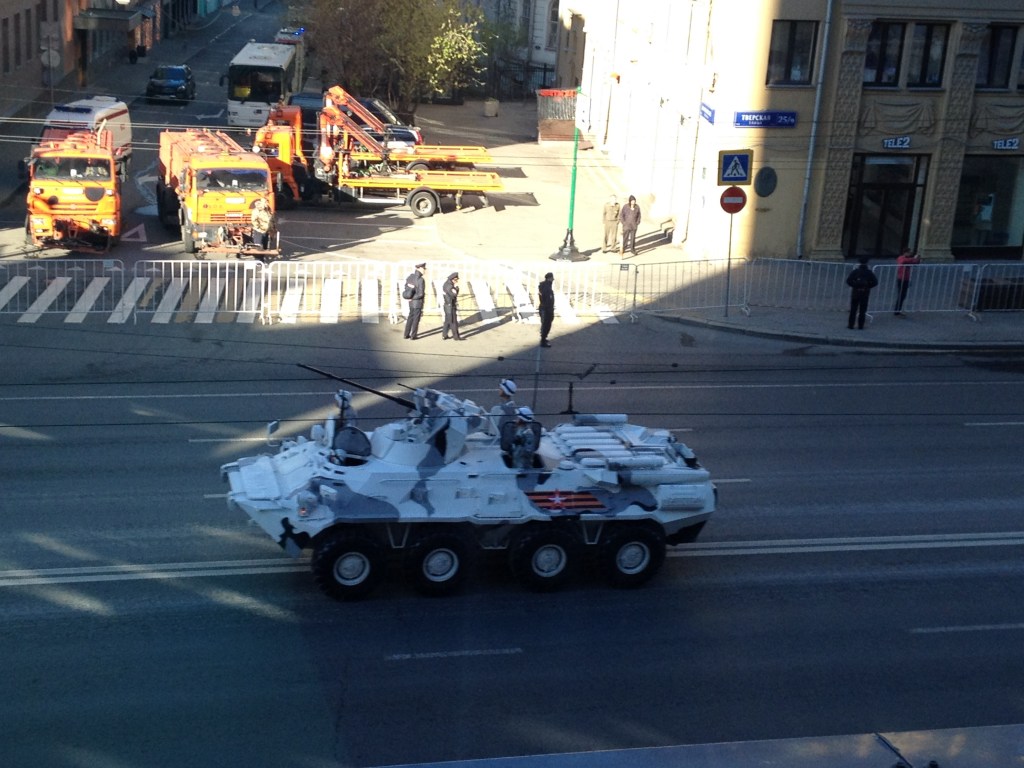
Moscow 2017
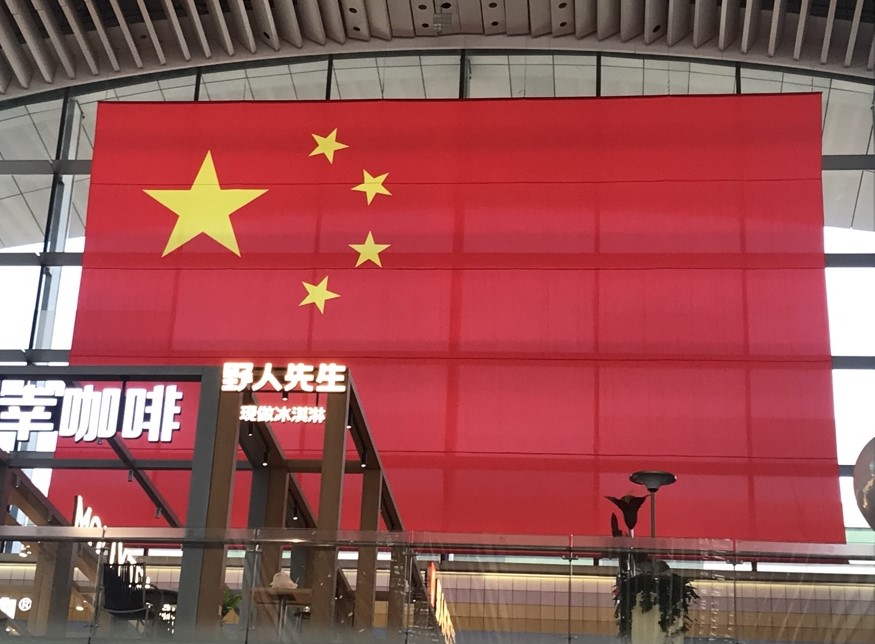
What The Joint Declaration Of Peace Means

I write history to reveal the truth about past military cover-ups. However, I always remember the battlefield maxim; Left and Right mean nothing as the Fog of War prevents any two participants from having the same viewpoint.

From my perspective, today’s Joint Declaration of Peace by China, Russia and the USA is more about authoritarian control than diplomatic compromise. Let us remember the Global Military Strength (GMS) League Table ranks USA, Russia and China in the top three places; all of them are a long way ahead of India, which is 4th on the list. Each is currently frustrated in their regional ambitions by medium power states; Iran is 16th on the GMS list; Ukraine is 20th and Taiwan is 22nd.

In some ways, the world should feel safer with their commitment to avoid nuclear war. However, this announcement was less about weapons of mass destruction and more about tacit approval for the three powers to use military might to solve their diplomatic problems. So what is the deal? Have the participants agreed to support each other in their wars? Will we see the USA abandon Taiwan in 2027?

to use their military might to solve their diplomatic problems. So what is the deal? Have the participants agreed to support each other in their wars? Will we see the USA abandon Taiwan in 2027?

Perhaps, more importantly, this Declaration marks the beginning of the the end of the United Nations as we know it and the “inconvenient” bodies, such as the International Criminal Court, that provide the checks and balances on dictatorship and the laws of conflict. We used to say that military solutions don’t work, but the message from Shenzhen seems clear enough: In the 21st Century, Military Might Is Right.

Donbas On The Table

As a curtain of ice descends on Ukraine in November, four strands are emerging for the winter campaign.

The military front line is as gruesome as it has always been, but technology has tipped the balance in favour of Defence. Sensors and Stand-off weapons have made it extremely difficult for the attacker and even the Russian Army, which historically cares less about its soldiers than other European armies, is having difficulty winning the ground war due to Ukraine’s top-attack capabilities.

The depth battle has changed as the targets have widened from purely military to economic infrastructure. This has made Moscow more uncomfortable than at any time since the Kursk incursion in August 2024. The effect has been to prompt Putin to appeal to Trump and led to the third strand, which arguably is the most dangerous for Europe.

Hybrid war has arrived in Europe. What we used to call grey area and fifth columnist operations are now disrupting everyday life. The British government’s Be Ready Campaign is couched in terms of severe weather events, but it is also an alert for Russian attacks on our infrastructure, or worse. The threat has hardened, but sadly our army is not ready to fight at the required scale.

The fourth, diplomatic strand, has, in many ways, changed the least since the start of the year. Putin has not changed his views about Ukraine, nor his war aims. Economic sanctions have continued to fail in their efforts to squeeze Moscow, which has found ample replacement partners in Asia. Trump, also, has not changed his views and prefers Putin to Zelensky, but Britain and the European Union have remained resolute. The latest shuttle diplomacy with the Americans suggesting Ukraine gives up Donbas is another example of Washington’s appeasement policy, which needs to be revoked.

In the meantime, why has the BBC not reported on the latest Russian Nuclear Weapons Test?

The Unknown Warrior and Polish Independence

Although the focus of the British Media this weekend is on the Royal Albert Hall and the Cenotaph there is also an important service of commemoration and thanksgiving around the Tomb of the Unknown Warrior in Westminster Abbey. When the Unknown Warrior was granted a full state funeral by King George V on 11 November 1920, the end of World War I had not been declared and the fledgling Polish army was still fighting for its life against the Soviet Red Army.

So much that was happening then chimes with what is happening now. In Britain, there was a desperate desire for Peace, but conflict was still tearing Eastern Europe apart. The British government under David Lloyd George had no appetite to put boots on the ground and deployed only military advisors to help the Poles. The Russian government saw this weakness and plotted to expand its control. An uneasy peace existed until September 1939 when Russia and Germany split Poland under the terms of the German-Soviet Frontier Treaty – the beginning of World War II.

There is a particular poignancy about the attack in Krakow this weekend. The escalation of Russian hybrid war in Europe cannot be disguised. The Allied creation of Multi-National Force Ukraine (MNF-I) will particularly annoy the Moscow Hawks. The MNF-I two-week peacekeeping exercise, which begins in Poland tomorrow and involves hundreds of British troops, is no doubt the reason for the attack in Krakow.

I worked with the Polish Armed Forces in Krakow in 1996, when Britain forged a strong military partnership to train our armoured brigades. The exercise tomorrow does not involve heavy armour, but it is a step in the right direction to prove MNF-I is not just a Paper Tiger. What we need to do is to publicise these military manoeuvres on our mainstream media, every day this week to demonstrate our solidarity with Poland and Ukraine and to shift the emphasis from the past to the future.

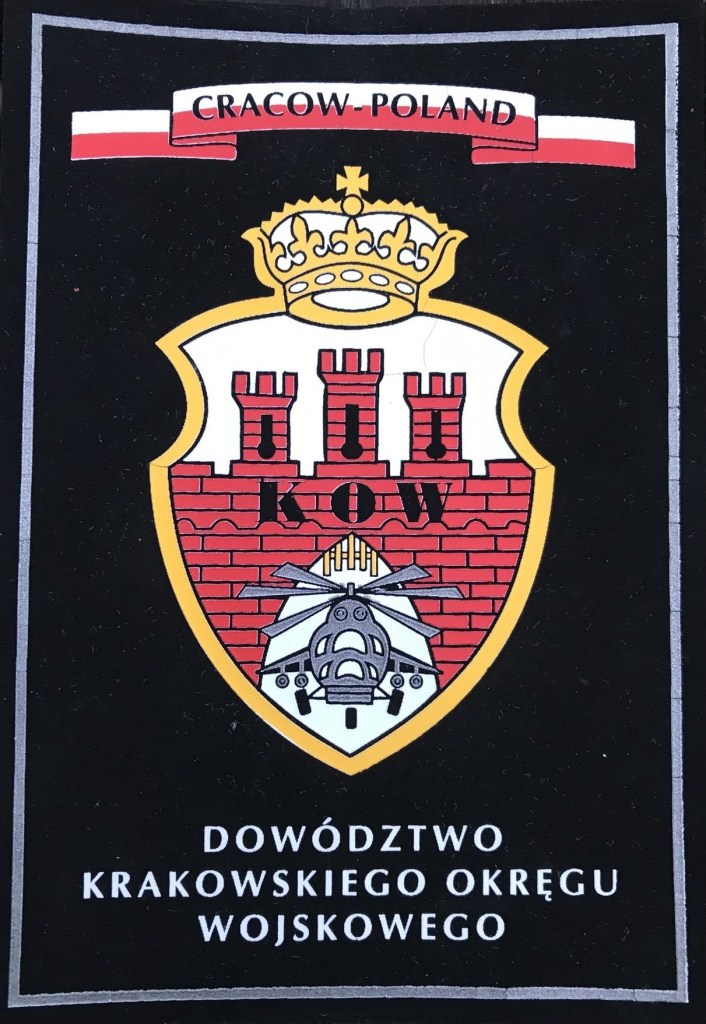
Badge of the Armed Forces Command in Krakow Military District 1996

Mixed Feelings In Poppy Week

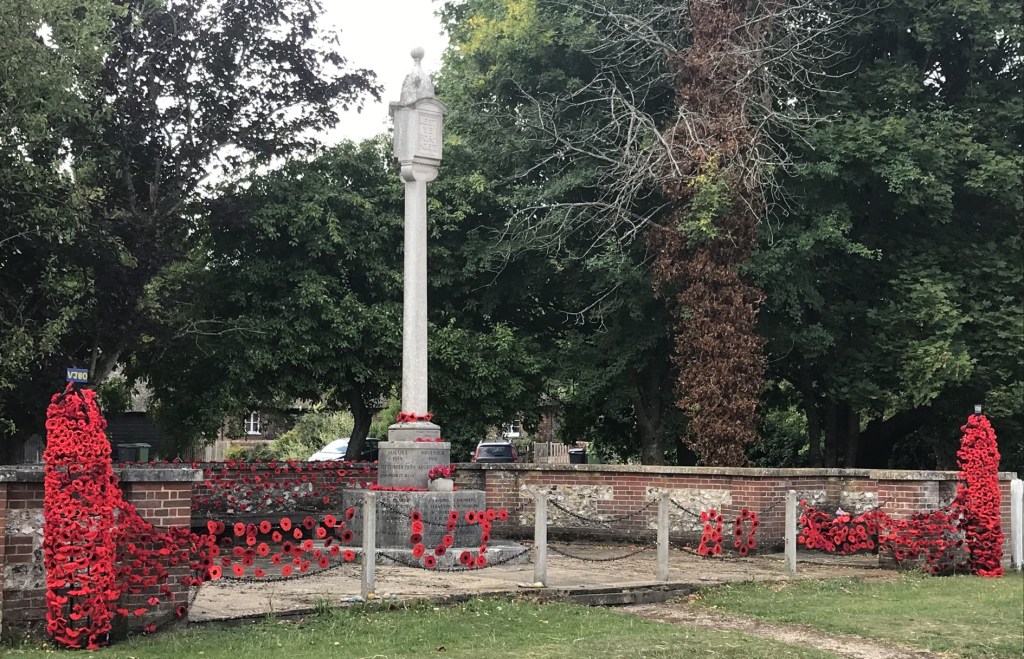
For me, this is a week of remembering soldiers, sailors and air personnel who died while serving crown and country. I was fortunate during my 35 years of Service that I did not to lose any of the 800 service personnel under my command while on duty; but there were two who died in road traffic accidents while on leave. There are also dozens who I served with, who are remembered on memorials such as the stone cairn at Beinn Na Lice on the Mull of Kintyre, which commemorates the 29 people who died in the tragic Chinook crash in 1994.

Unfortunately, each year we lose focus on what Poppy Week is really all about as the days leading to Remembrance Sunday become more political in nature. In my lifetime, naïve members of CND were the first offenders; they were joined by “head in the sand” struthiones and appeasers sympathetic to people who want to do Britain harm. The Royal British Legion (I am a long-standing member) is also not averse to seeking extra publicity by planting controversial stories in the Media such as the mischievous Weatherspoon pub tale last week.

The Festival of Remembrance plays a tremendous role in helping families of the fallen, but I do feel the way this is done is a discouragement for young people to join the Armed Forces. If only we were allowed not just to pause for thought on the courage, honour and sacrifice of those who died serving their country, but to celebrate heroism on the battlefield in equal measures.