As a curtain of ice descends on Ukraine in November, four strands are emerging for the winter campaign.
The military front line is as gruesome as it has always been, but technology has tipped the balance in favour of Defence. Sensors and Stand-off weapons have made it extremely difficult for the attacker and even the Russian Army, which historically cares less about its soldiers than other European armies, is having difficulty winning the ground war due to Ukraine’s top-attack capabilities.
The depth battle has changed as the targets have widened from purely military to economic infrastructure. This has made Moscow more uncomfortable than at any time since the Kursk incursion in August 2024. The effect has been to prompt Putin to appeal to Trump and led to the third strand, which arguably is the most dangerous for Europe.
Hybrid war has arrived in Europe. What we used to call grey area and fifth columnist operations are now disrupting everyday life. The British government’s Be Ready Campaign is couched in terms of severe weather events, but it is also an alert for Russian attacks on our infrastructure, or worse. The threat has hardened, but sadly our army is not ready to fight at the required scale.
The fourth, diplomatic strand, has, in many ways, changed the least since the start of the year. Putin has not changed his views about Ukraine, nor his war aims. Economic sanctions have continued to fail in their efforts to squeeze Moscow, which has found ample replacement partners in Asia. Trump, also, has not changed his views and prefers Putin to Zelensky, but Britain and the European Union have remained resolute. The latest shuttle diplomacy with the Americans suggesting Ukraine gives up Donbas is another example of Washington’s appeasement policy, which needs to be revoked.
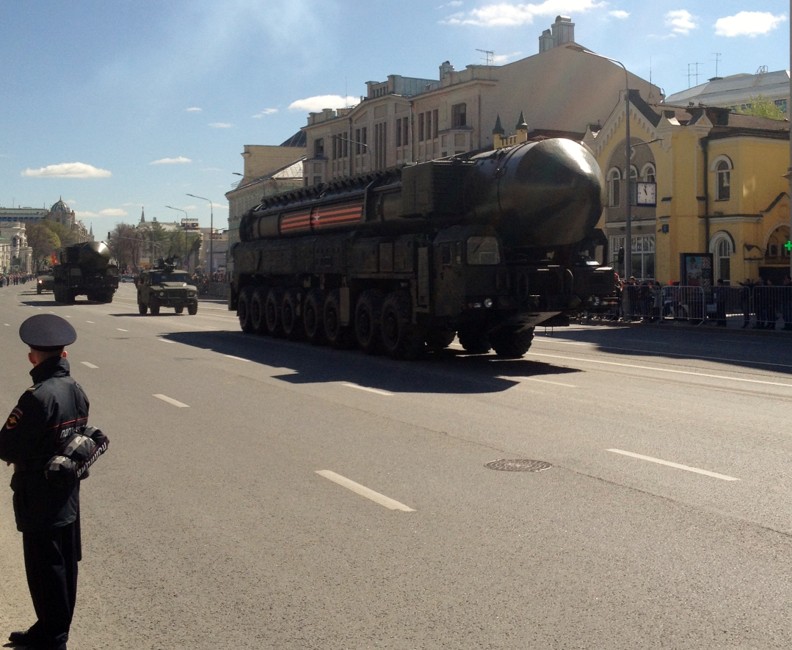
In the meantime, why has the BBC not reported on the latest Russian Nuclear Weapons Test?