
Twenty-five years ago, I presented the British Army’s view on Hybrid War to a distinguished audience in London. At the time, we were more concerned with the threat, which we defined as: “states, or non-state actors [which] choose to exploit all modes of war simultaneously using advanced conventional weapons, irregular tactics, terrorism and disruptive criminality to destabilise an existing order.”
Looking at Europe and the Middle East this week, it clear that Hybrid War is with us now; with people fighting for land, resources and power through all possible means. The problem that we did not foresee in 2011 was how divided British society would be in 2026. Perhaps, we were seduced by the benefits of a multicultural society, but now we are reaping the harvest where the country cannot pull together for a common purpose. This has resulted in a climate of suspicion and a system of mass-surveillance, whereby armed forces personnel, medics and police officers are being jailed for illegally accessing secrets that might be used to aid enemies, terrorists and criminals.
Lord Ricketts, who was National Security Advisor during my time in Libya and helped me with my book, highlighted the hybrid threat yesterday. I agree with him that more needs to be allocated to cyber warfare and infrastructure resilience, but what he did not say, which needs as much emphasis is that this money should not come from conventional capabilities. One of the key lessons from our experimentation about hybrid warfare, which has been reinforced by the war in Ukraine, is that intelligence assets and precision firepower do not guarantee success on their own, so we must maintain the ability to carry out combined arms manoeuvre at the point of contact.
ne of the key lessons from our studies and experimentation was that stand-off, precision firepower will not guarantee success on its own, so we must maintain the ability to carry out combined arms manoeuvre at the point of contact.
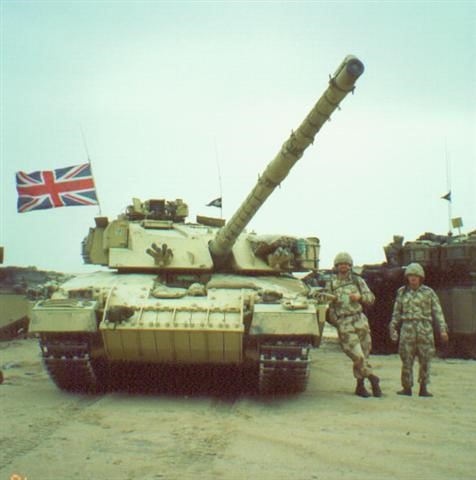
Still Needed

