North Atlantic Treaty Conference

The Conference in Munich this weekend that has attracted World Leaders to speak about their security concerns and in particular the North Atlantic partnership, is not in fact a NATO conference. That happened the day before in a low-key affair in Brussels between most of the NATO Ministers of Defence (notably Pete Hesgeth, the US secretary of War, did not attend).

The most interesting aspect of these past five days is the press conference given by the NATO Secretary General Mark Rutte on Wednesday evening. After his introduction, he was quizzed by 14 different news and media outlets, including some big hitters such as the Wall Street Journal and AFP. Two Russian News in Exile reporters asked questions as did two that broadcast in Ukraine and journalists from Denmark, Finland, Iceland, Germany, Turkey and Japan. The only interest from London was Reuters’ Brussels based European Affairs Editor, who asked about the rebranding of NATO’s northern flank activities into “Arctic Sentry”.

Understandably, the main undercurrent of the conference was Rutte’s perspective of President Trump’s recent announcements, including when and by how much the USA will reduce its footprint in Europe. However, the greatest challenge to the Secretary General was the Japanese reporter, who asked specifically about the Chinese threat to the Arctic (which it does not border).

It may appear that a lot has changed since the US Secretary of Defence, Jim Mattis gave a joint press conference in Brussels with the then Secretary General, Jens Stoltenberg, exactly nine years ago today and said thank you for “the warm welcome back to my second home”. However, in March 2003, the UK MoD published a document that suggested a number of possible shocks, including a “Future US administration withdraws co-operation from international bodies such as the UN and NATO”.

We were warned!
Heavy Lifting and NATO Caveats

The US President has made an important point about NATO, but sadly he has articulated it badly, so it will lose its effect.

The important point is that unlike authoritarian regimes, political democracies cannot allow their troops to be sacrificed on military operations, so they attach national caveats, which constrain commanders in certain circumstances. This inevitably results in perceived unequal burden sharing.

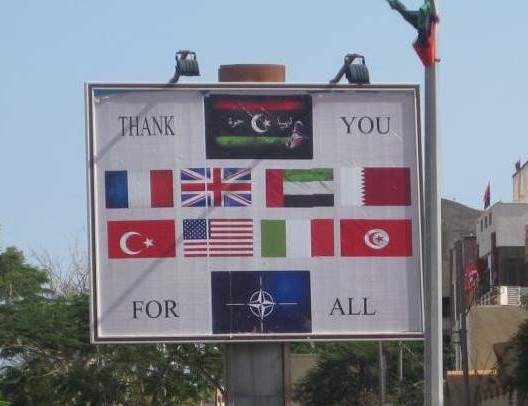
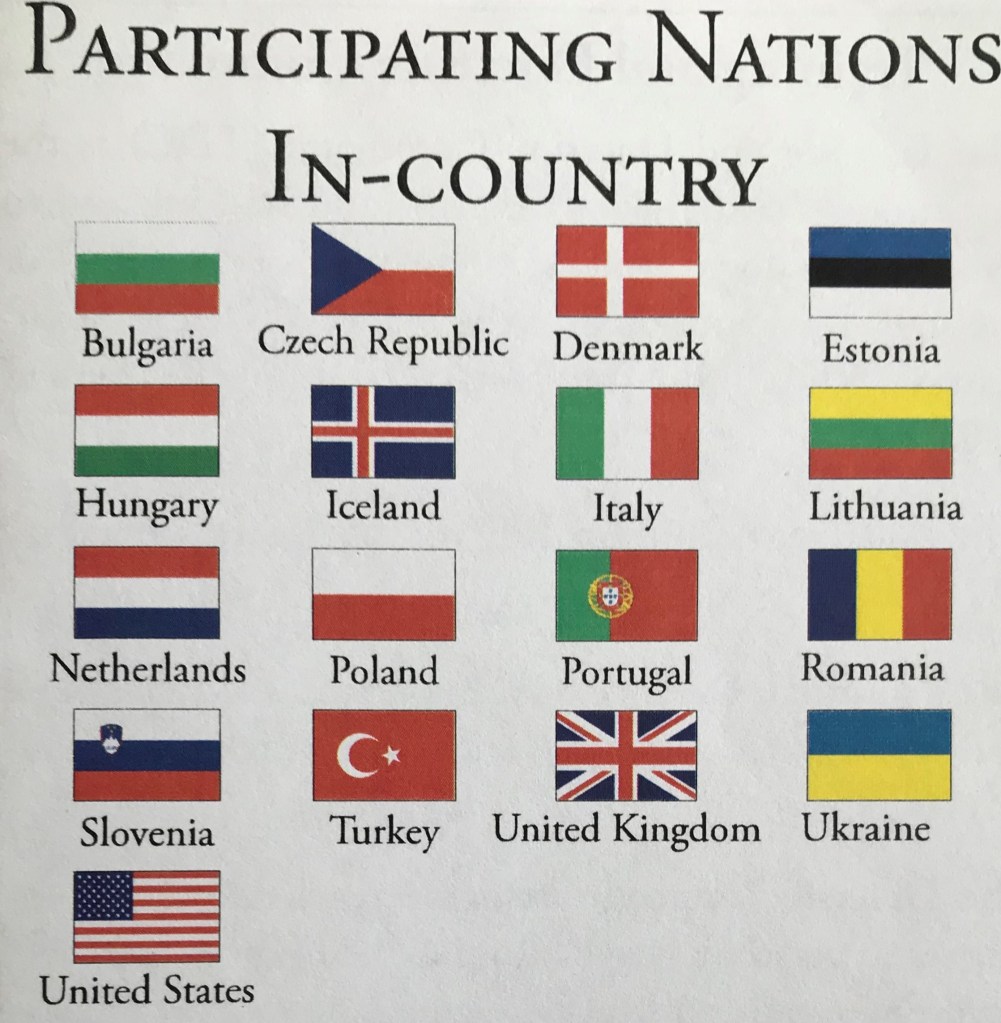
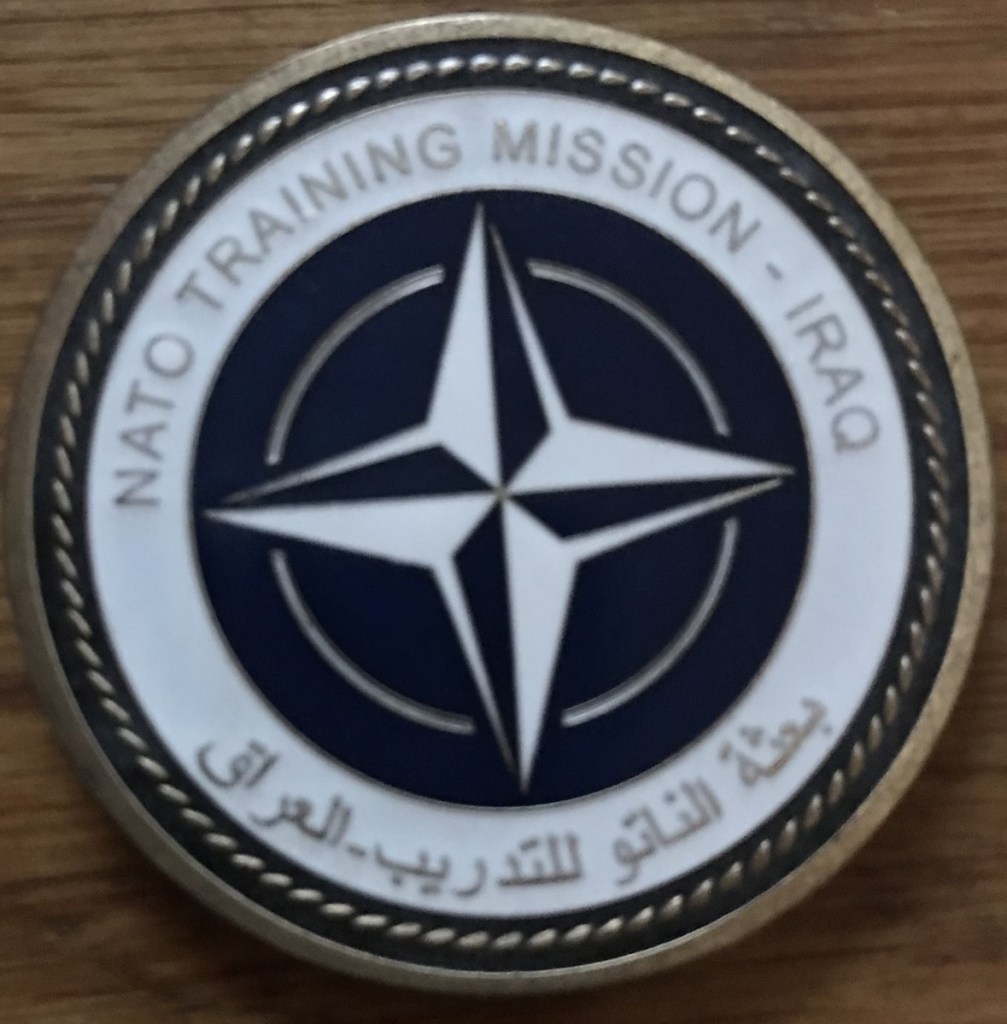
I personally witnessed this when planning NATO operations in the Balkans, Afghanistan, Iraq and Libya. For example, in Baghdad, when I was Chief of Staff of the NATO Mission, there were only four countries that I could rely upon to deploy outside the green zone. However, this was not an insurmountable problem because there was a regular gathering of NATO ambassadors, or their representatives, who would diplomatically help with any issue before it became a crisis.

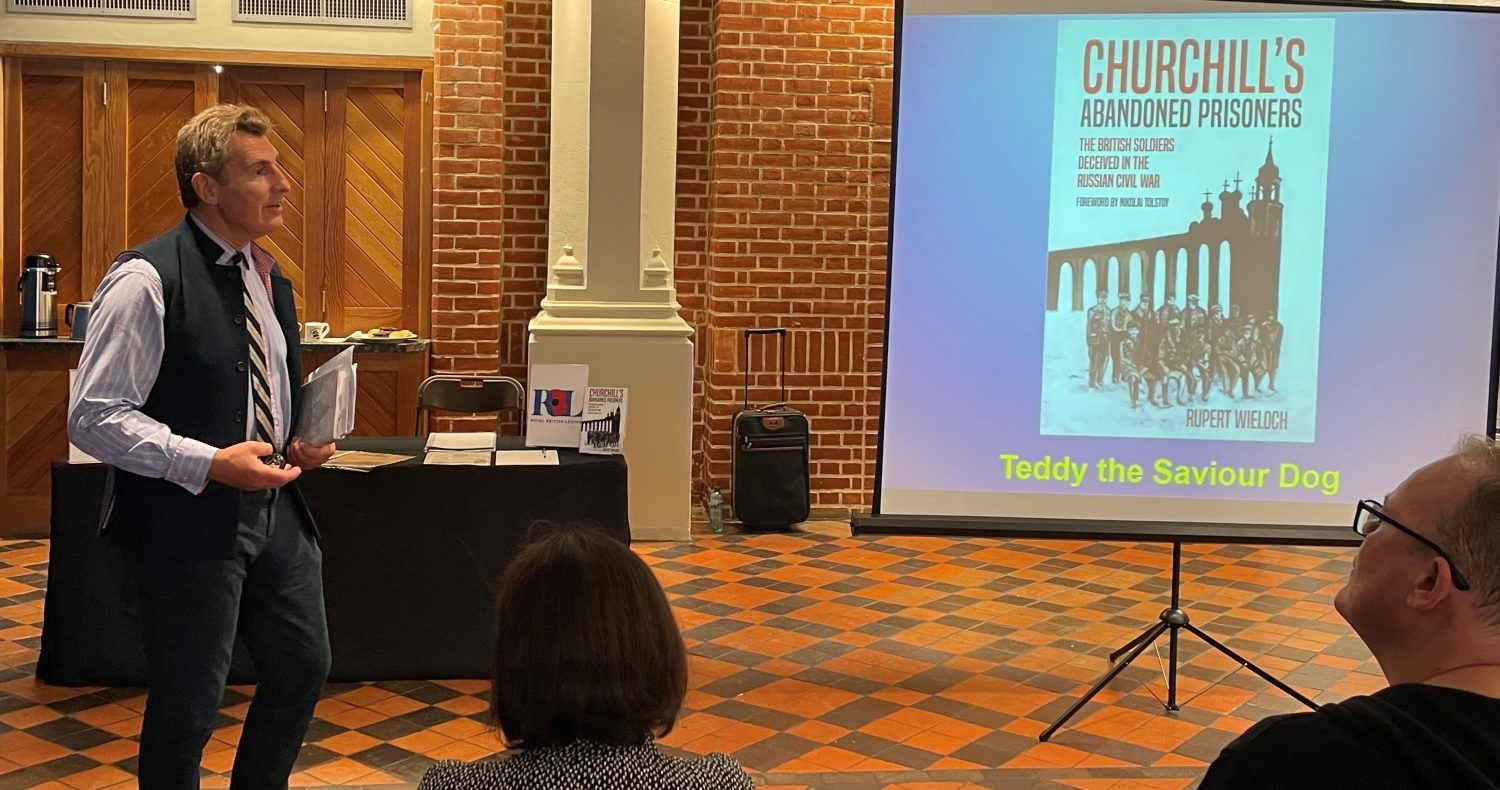
History tells us that political caveats have always affected Allied military operations and capital cities have always interfered with a “long screwdriver”. There is no better example than the one I write about in Churchill’s Abandoned Prisoners, when there were more than 120,000 Allied troops in Siberia in 1919. Of all the contingents, the one that came with the strictest constraints was the US Army detachment of 9,000 soldiers. Despite President Wilson forbidding them from fighting at the front, they did display courage and bravery in abundance when protecting their section of the Trans-Siberian Railway, but they did not do as the Royal Marines and join the battle at the front.

Apart from this issue of hypocrisy, the President is wrong to tar all of NATO with the same brush for three further reasons. The first has been picked up by the Media immediately; it is highly disrespectful to the families of soldiers, sailors and air personnel from NATO Allies who were killed on US led operations since 9/11. Secondly, there are still several ongoing NATO missions that might be compromised by his words; for example the Allied Maritime Command in London looks after North Atlantic operations and the NATO Mission in Iraq is there to fight terrorism and prevent the return of Islamic State. Thirdly, it makes it much harder for his representatives in Brussels when they come cap-in-hand to fill posts in the well-established bartering process for Troop Contributing Nations serving with American formations.

We all know that America has done most of the heavy lifting for NATO since it was created, but they could not have tackled International Terrorism without their Allies, so it is not sensible to alienate them now.

NATO Mission in Iraq 2008