BBC Radio Solent

The art of a great interviewer is to ask questions which the interviewee would like to talk about and extract information the listeners would like to hear.

It was a pleasure to be interviewed by the skillful Julian Clegg, who covered so many bases in our seven minute discussion before the launch at Waterstones on Feel Good Friday.

The interview can be listened to on the BBC website at: https://www.bbc.co.uk/sounds/play/p075m6mb


BBC Radio with Julian Clegg.jpg


BBC Radio Solent and Waterstones Launch

On Friday morning, 5th April, I will be joining Julian Clegg on his BBC Radio Solent Breakfast Show from 9 a.m.  available on 96.1FM & 103.8FM, DAB in Hampshire and Dorset.

Later that day, Waterstones is giving the book its official launch in their Winchester High Street shop, beginning at 6 p.m.

Sky News Interview

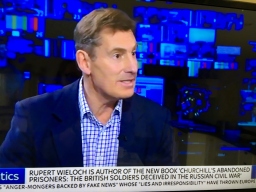
With a month to go before the Waterstones’ launch of Churchill’s Abandoned Prisoners, I was delighted to be interviewed by Faisal Islam on Sky News morning programme, All Out Politics.

We discussed Winston Churchill’s role in the story on the anniversary of his “Sinews of Peace” speech in Missouri, which for many people marked the beginning of the Cold War.


Sky Politics Show

On 8th March 1919, Winston Churchill wrote a letter…

…to the Prime Minister, David Lloyd George about the Government’s policy on Russia.

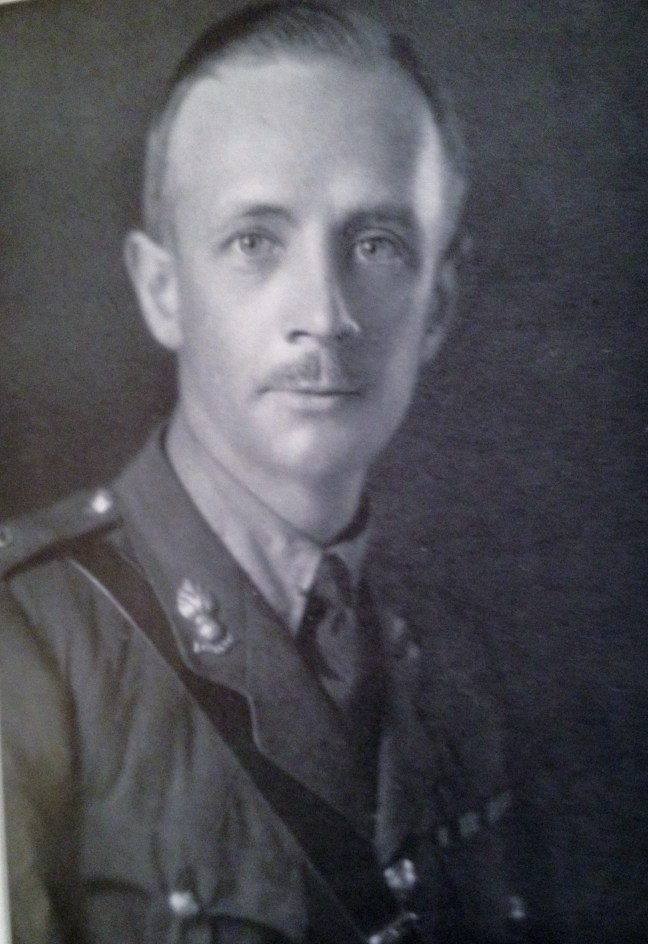
The War Secretary confirmed that the Prime Minister had: “decided that Colonel John Ward and the two British battalions at Omsk are to be withdrawn”.  One week later, he sent Major Leonard Vining and Warrant Officer Emerson MacMillan to Siberia on the SS Stentor.

Little did he know that they would be captured by the Red Army and not released from their Moscow prisons until November 1920.

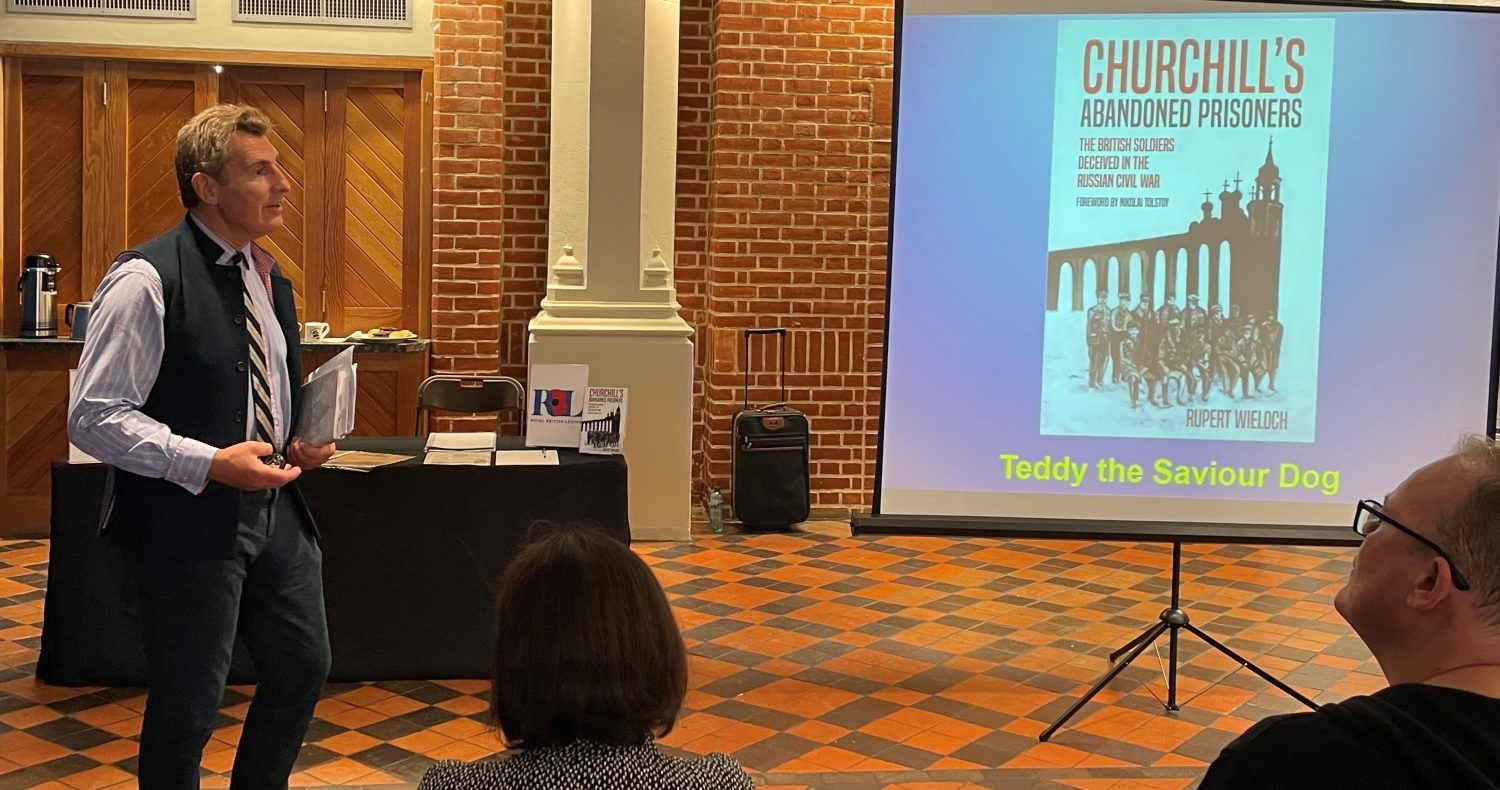
Read about their amazing story in Churchill’s Abandoned Prisoners: The British Soldiers Deceived in the Russian Civil War, available from Waterstones and independent bookshops later this month.

https://www.casematepublishing.co.uk/churchill-039-s-abandoned-prisoners.html

IMG_1565.JPG

The Ivanovsky monastery in Moscow where the British were imprisoned in July 1920

In February 1919, Churchill’s volunteers…

…arrived in Siberia to support Admiral Kolchak’s White Army.  Lyddon Morley deployed to Irkutsk with ten soldiers to help train the Russian soldiers, but he was not allowed to make any changes to the syllabus until he “donated” 15,000 sets of British uniform to the 8th and 14th Siberian Rifle Divisions.

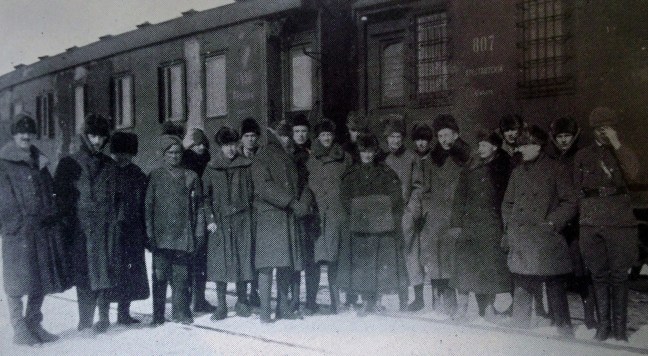
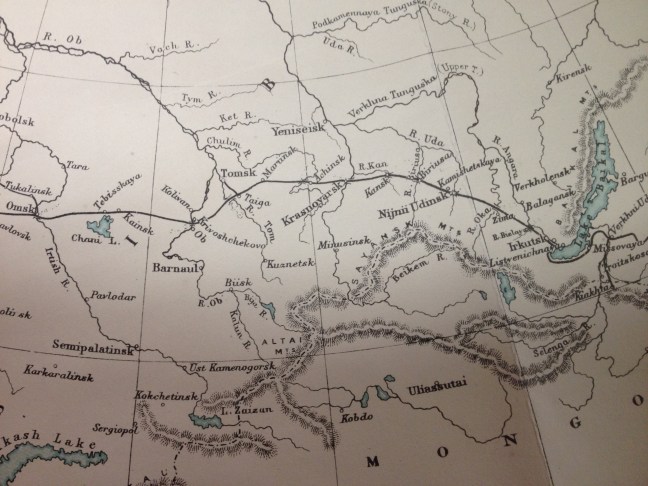
Meanwhile other British soldiers from the Middlesex and Hampshire Regiments guarded the trains on the Trans-Siberian Railway and repulsed many attacks by bandits and Bolsheviks…

IMG_2741.JPG

Prinkipo Proposal

At the Paris Peace Conference, US President Woodrow Wilson proposed a ceasefire in Russia and a  gathering of all the civil war contenders and Allies on Prinkipo Island, in the Sea of Marmara, on 15 February 1919.

The Bolsheviks accepted, offering terms but not a ceasefire.  However, the White Government in Omsk, led by Admiral Kolchak and encouraged by Marshal Foch and Winston Churchill, refused to participate.

While Prime Minister David Lloyd George and President Wilson were both absent from Paris,  Foch and Churchill, believing the Soviet government to be weak, proposed a military expedition to Russia, but French Prime Minister, Georges Clemenceau, refused to support the scheme.

How different it would have been if the Allies had not underestimated the support for the Bolsheviks, or the logistic challenges of sustaining military operations in far-away places such as Omsk.

IMG_2651.JPG

One Hundred Years Ago Today…

Emerson MacMillan and Dallas Ireland were caught in the middle of the tumultuous crowds that gathered at Mansion House in Dublin, when the new Members of Parliament declared independence for Ireland.

Read about their extraordinary love story that provides the backdrop to Churchill’s Abandoned Prisoners, available from Casemate UK.

https://www.casematepublishing.co.uk/recent-catalogues


Churchill’s Promotion

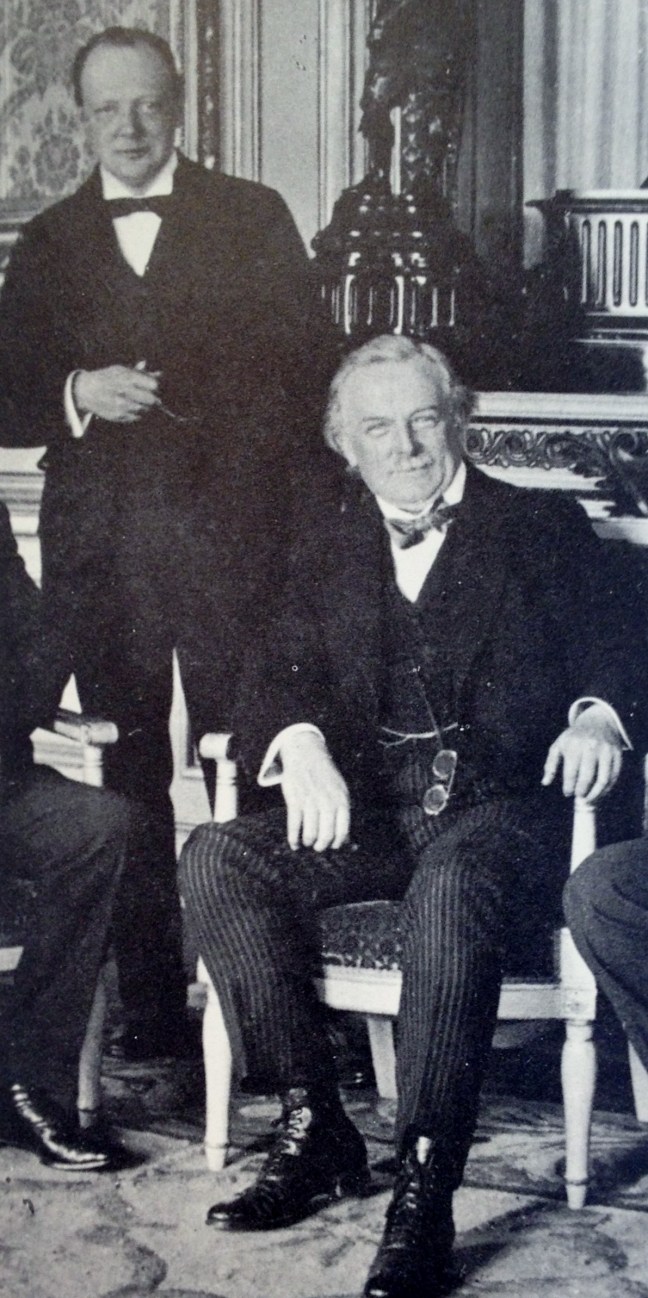
One hundred years ago, the Prime Minister, David Lloyd George, appointed the MP for Dundee, Winston Churchill as his third Secretary of State for War.

Within a week, he journeyed to Paris for the opening of the Peace Conference with delegates from 26 countries.  By then, he was already in deep disagreement with the Prime Minister over the Government’s policy on Russia, which he described as “nebulous” in a note to the Deputy Chief of the General Staff.

Leading the large anti-Bolshevik  contingent in the House of Commons, Churchill wished to increase the British commitment and support the White Government in Omsk, led by Admiral Alexander Kolchak.  However, Lloyd George,  representing the wider view, wished to withdraw British troops from Russia after the Armistice.

Only volunteers from the British Army deployed to Siberia in 1919. One of them was an electronic engineer, named Emerson MacMillan, who was sent to repair and operate the Trans-Siberian railway.  Little did he know that he would become one of the last prisoners of war in World War One, suffering an horrific ordeal with his fellow inmates.  Their story is told in Churchill’s Abandoned Prisoners, which will be launched in London in March 2019.

IMG_1561.JPGOne of the Moscow prisons, where the last British Army prisoners of World War One were held.