
Southampton International Boat Show

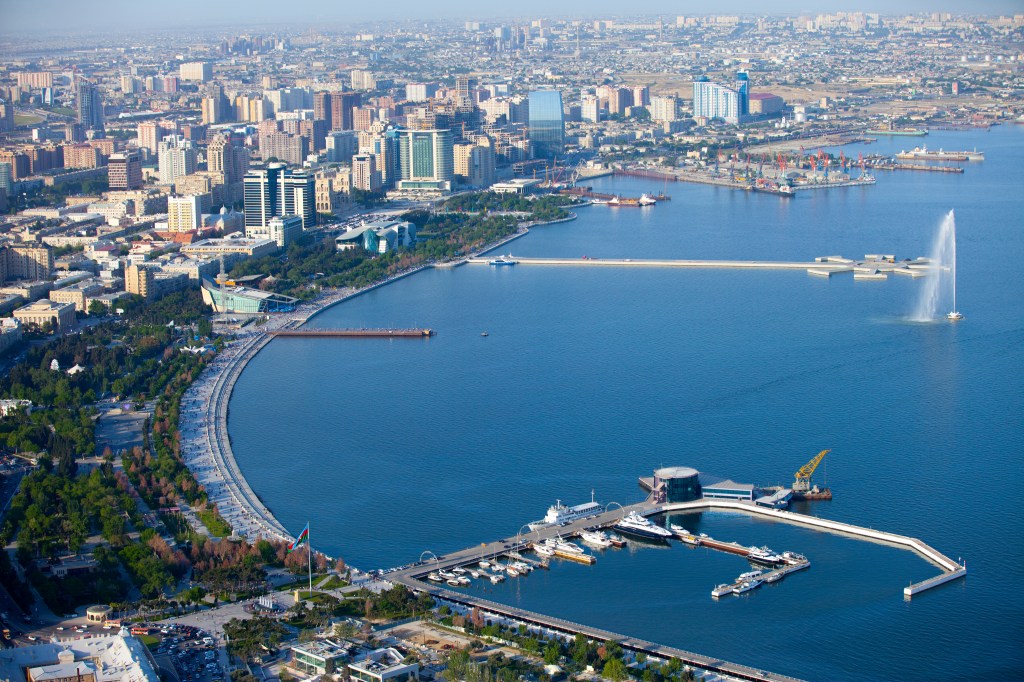
The first day of the biggest boat festival in Britain was a resounding success with glorious weather and astounding attractions that made me yearn to be at sea.

Apart from the fascinating talks on the Foredeck Stage, my favourite was, without doubt, the three master tall ship Thalassa, which reminded me of my time on the historic Baltic Brig Zebu, sailing around the Bay Islands off Honduras. On my next visit, I will look for a Saint Pierre Dory similar to the one that took fourteen of us to Guanaja to dive among the turtles.

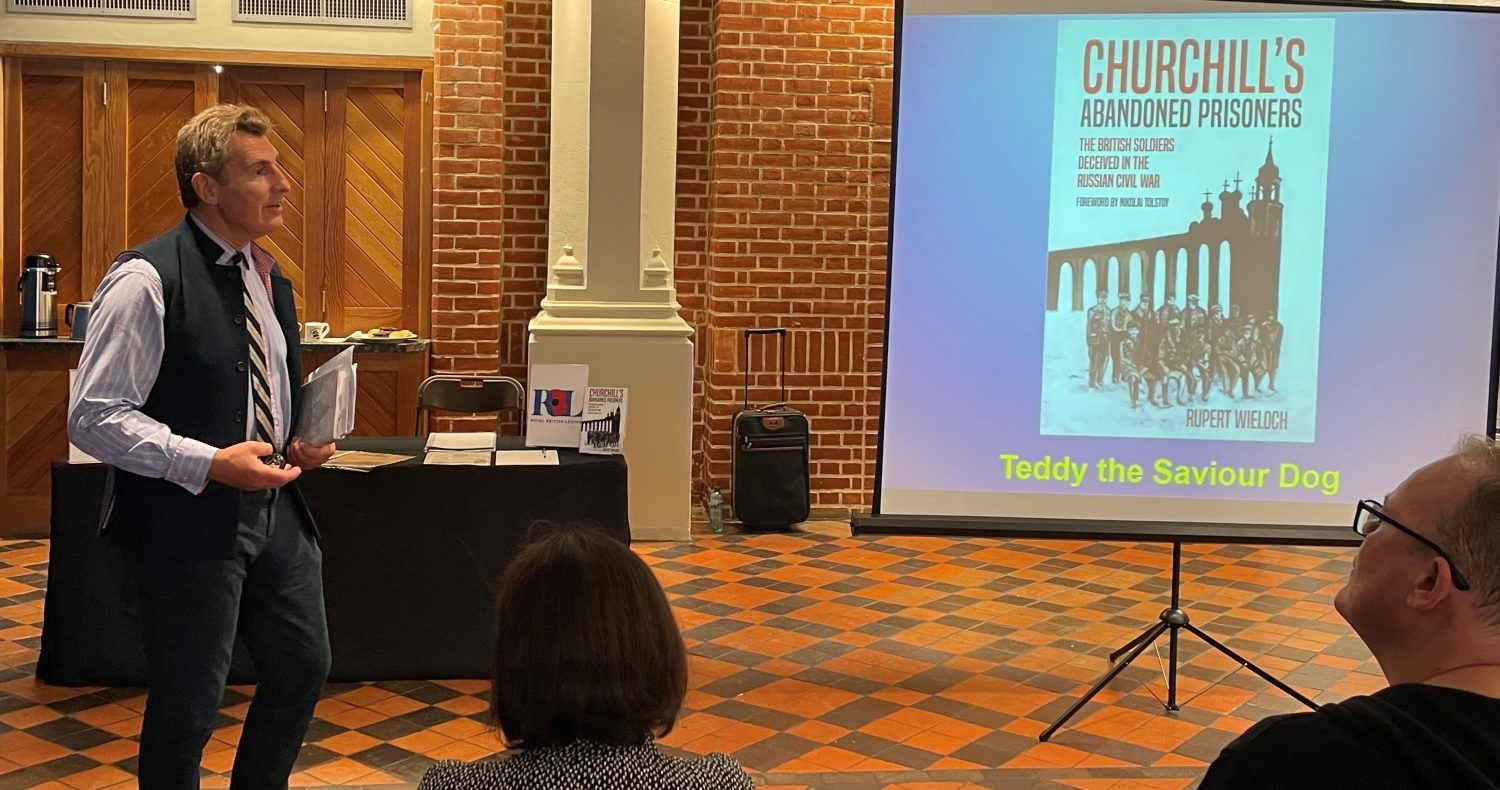
Next Sunday, 24th September, at 3 p.m. I will be giving my talk about the British boats, Royal Navy Prisoners of War and Hampshire Soldiers involved in the Russian Civil War and signing books in Paul and Gina’s excellent Medina Bookshop which is opposite the Bottle Stage.

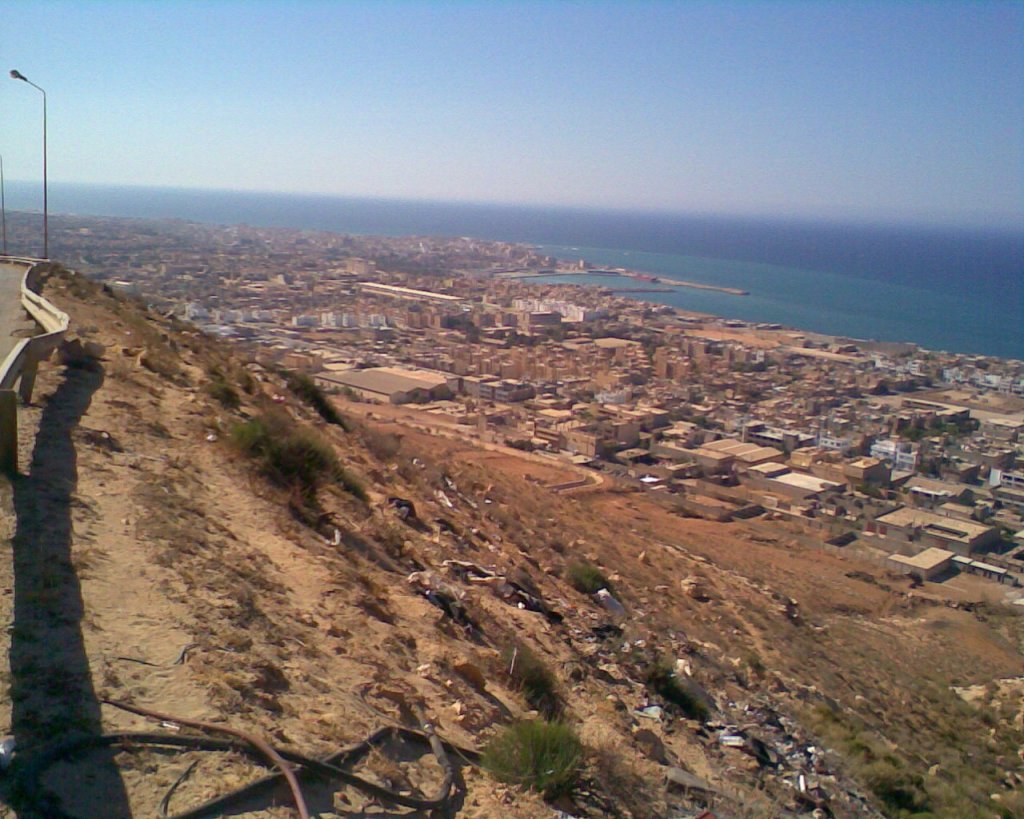
The Road to Derna’s Devastation

Those who know Libya and Cyrenaica (North-East Libya) in particular, will not be surprised by the disaster that unfolded when Storm Daniel destroyed the dams and caused the devastation that we are seeing on our screens.

Two hundred years ago, Derna was arguably the most important Ottoman port between Alexandria and Tripoli. As a vital trading post, it was the focus of America’s first overseas foray, when a small band of Marines and mercenaries, supported by the US Frigate, Argus captured the castle. However, when Mussolini ruled Libya, he developed the deep water harbour at Tobruk, which relegated Derna to a lesser role in the country.

Derna’s decline continued through Colonel Gadhafi’s regime, when it was populated by devout families, many of whom were independent of the authoritarian network that existed in Libya. As a result, the area was deprived of the oil-wealth and neglected by administrators. The problems were compounded after 2012, when Islamic State established a strong foothold and failed to complete essential maintenance tasks in the city and its surrounds.

The winter weather on the heights above Derna can be atrocious and the rugged wadi is very difficult to traverse. The soil is rich, but turns into a morass very quickly with torrential rain, which is why relief efforts are being hampered and progress has been so slow. It really does need a co-ordinated humanitarian assistance operation run by the United Nations to rescue the situation.

Thanks to Maher Abdussalam for this photograph

North African Calamities

The earthquake in Morocco and Storm Daniel in Libya have brought misery to thousands of people living on the south coast of the Mediterranean Sea. I know both the affected areas and it is a great sadness to see the effects of these natural disasters in places where it is hard to live well.

Both of the calamities have affected widespread areas. In Morocco, the route I took to Marrakesh passes very close to the epicentre, so I know how difficult it is to reach the affected villages. In Libya, all the coastal cities and ports, from Tripoli to Tobruk have been affected but it is isolated Derna that has had the worst of the damage with two broken dams in the Jebel Akhdar causing horrific devastation.

The greatest sadness is that the governments of these regions are very suspicious of outsiders and so vital international humanitarian assistance is not being deployed as rapidly as it might be, so unnecessary lives are being lost. It is time for the United Nations to step up to the mark…

Damage has also been done to the ancient historical sites between Benghazi and Derna.

British Boats in the Russian Civil War

I am looking forward to giving my talk at the Southampton International Boat Show about some of the British vessels in the Russian Civil War.

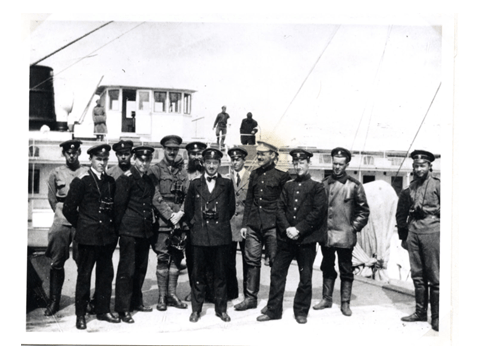
At the beginning of the British campaign in 1918, HMS Suffolk was on station in Vladivostok. Her guns were transported almost 5,000 miles by train to Perm where they were fitted to a barge and a tug and operated by Royal Navy personnel on the River Kama. In providing fire support against the Red Army, they set an unbroken record for operating furthest away from their ship. These crews were commanded by a young Royal Marine captain, who was awarded the DSO for his leadership and can be seen in the photograph below with the White Russian Navy’s commanders. During the talk, I will describe their close shave when they were almost captured and explain why they were treated scandalously by the British Consul.

Many other British merchant vessels and passenger ships were involved in the campaign and I will describe the intriguing journeys of three favourite workhorses that sailed the “Seven Seas”, concluding with the celebrated return of the Hampshire Regiment to Southampton aboard the HMT Tunisian in December 1919.

The Big Issue For The New Secretary Of State For Defence

I was fortunate to meet and brief the excellent Tom King when he was Secretary of State for Defence in 1990, shortly before the Gulf War. Since then I have met a further five of the incumbents in briefings about military operations. Their approach was very much dependent on their background. For example, I remember when we told Geoff Hoon that we had removed one of the options in the response to 9/11, but he replied: “Leave it in, I am a lawyer and I will decide…”.

We have been very fortunate with Ben Wallace, who has represented the Armed Forces very well in his four years at the helm. However, it has to be said that despite the war in Ukraine, it has been a woeful period of decline that has seen the Army decimated by financial cuts and embarrassed by the Government’s humiliating withdrawal from Afghanistan. Britain’s allies and adversaries have watched as Defence capability that was originally funded in support of British Foreign Policy has been misused for domestic issues (pandemic assistance, ceremonial parades, flood relief, etc.), while operational standards have declined dramatically.

So what is the big issue for The Right Honourable Grant Shapps? In a word…Money. It is unprecedented that both the Head of the Army and the Secretary of Defence resigned because the Treasury squeezed the budget with their technique of “divide and rule” between the three Services. I suspect the new Defence Secretary has been placed in the MoD for one purpose and it is not to fight for the Armed Forces funding, but no doubt we will see when the results of the next Planning Round are announced.

One of the best ever Defence Secretaries in Cyprus before the Gulf War

Prigozhin Death Repeats History

During my research about the British involvement in the Russian Civil War, I discovered several unsolved cases of Soviet officials who were mysteriously killed in what appeared to be arranged accidents.

One such example was the case of Solomon Mogilevsky. He met Lenin in Switzerland and joined the Bolshevik cause before becoming involved in the 1917 October Revolution. After he became a senior member of the Secret Police (Tcheka), he interrogated Francis McCullagh over Easter 1919 and then became head of the Soviet foreign intelligence service from 1921 to 1922. His next posting was Head of the Caucasian secret police when he was awarded the Order of the Red Banner for his role in suppressing an uprising in Georgia.

Mogilevsky died in an unsolved air crash near Tiflis in 1925. The cause of the crash was never determined despite three commissions and no-one alive knows whether it was arranged on behalf of Stalin, or for some other reason. At this stage, the crash appears to be strikingly similar to the air crash this week that killed Yevgeny Prigozhin after he fell out of favour with the Russian President Vladimir Putin.

I am not sure whether this is history repeating itself, or merely rhyming (as Mark Twain would have it), but you can read about the Tcheka’s terrifying techniques and Mogilevsky’s interrogation of Francis McCullagh in Part 2 of Churchill’s Abandoned Prisoners.

Francis McCullagh in Russia

Southampton International Boat Show

I am delighted to be giving an illustrated talk about some of the British vessels involved in the Russian Civil War on the Foredeck Stage, at the Southampton International Boat Show on Sunday 24 September.

I will begin with the record-breaking Royal Navy deployment that sent a tug and a barge to operate on the River Kama and tell the story of the Royal Navy prisoners of war, who were captured by the Bolsheviks at Baku in 1920.

The second part will cover the return of the 9th Hampshire Regiment to Southampton docks in the SS Tunisian after nearly four years abroad. Arriving in the Solent on the evening of 5th December 1919, the teasing coastline sparkled brightly and flashed brilliant beams from light houses as far as the eye could reach. However, a cold mist, which rose in the night and greeted the soldiers in the morning, meant that all did not go according to plan…

The SS Tunisian Feeling Her Way Up The River Test on 6th December 1919

Migrant Crisis Deepens

Two weeks ago, I criticised the Home Office for its poor planning before the migrant crisis that is currently in the news. This week, MP David Davies echoed my criticism on BBC Radio 4’s Today programme when he referred to the evacuation of the Portland barge by saying: “The primary thing that’s been revealed has been the startling incompetence of the Home Office…”

Meanwhile, the sinking of illegal migrant boats in the Mediterranean Sea and the English Channel have re-affirmed this as one of the top priorities for the International Order. Blame for blocking some of the Government’s options has been laid at the feet of the European Court of Human Rights in Strasbourg; but the Court’s interpretation of human rights law is supported by a huge number of influential organisations in Britain.

There is still not enough focus on the organised criminals that are behind the illegal human trafficking. I was involved in tackling these gangs when they were linked with terrorist organisations in failing states. Economic sanctions are not enough, we need to target their leadership, but this will require a joined-up approach between international organisations, government departments and security services. Fifteen years ago, we had a handle on this – what has happened since then?

BP Back To Ghadames

In a positive sign of increasing stability in Libya, BP is restoring its contractual obligations in the Ghadames Basin. This is tremendous news for the region, but not without some residual risks because the area is at the heart of the old trading routes across North Africa.

Ghadames is a captivating historic town at the confluence of Algeria, Libya and Tunisia. In 2012, I drove from Tripoli to this World Heritage listed town of 10,000 people to better understand the tension between the Tuareg, Arab and Berber tribes who share a symbiotic relationship around this Saharan oasis. There is a lot at stake there because the oil wealth does not reach local residents and during the civil war, there were several battles on the edge of the town. The balance between the tribes needs to be addressed as a top priority, in order to secure the pipes to the coast.

Once an uninterrupted flow to the Mediterranean Sea is re-established, it will mark an important step towards restoring Libya to its former position as a leader in the oil and gas sector, which in turn, could help Europe (and Britain) ween its reliance on Russian and Gulf energy.

The Old Town of Ghadames

Asylum Accommodation In Military Bases

The ongoing saga of the Home Office trying to pass the asylum “buck” to the military is becoming a bitter squabble.

The Armed Forces always stand ready to help other government departments when they are unexpectedly caught in an emergencies. Flooding and the pandemic are recent examples where soldiers, sailors and air personnel have stopped their work to valiantly help the civilian authorities across the regions.

The issue of housing illegal migrants and asylum seekers is not the same thing. We have known about this problem for over a decade, so there has been plenty of time to design and deliver appropriate accommodation according to the Government’s stated requirement. It is ridiculous that the Home Office has not used the time given to them by the use of expensive hotels to produce a workable plan and this week, tried to blame the MoD for their failings.

MoD sites such as Catterick Garrison are isolated, spartan and inhospitable. When I completed my Basic Military Training there, any free time was spent getting as far away from the base as possible. My regiment is based there now and I know that the facilities are totally inadequate for asylum seekers, who should be housed in urban environments, not rural isolation. My message to the Home Office is to please wake up and smell the coffee!

Early Morning at Catterick Barracks September 1978