Tribute To Corporal George Hooley

My first thoughts this week are for the family of the brave paratrooper, who became the first confirmed death of a serving member of the British armed forces in Ukraine.

Corporal Hooley’s sad demise raises many questions about the undeclared use of troops on military operations. In 2011, I was one of many such soldiers who were deployed in a war zone with limited political authority. We were given a military mission, but knew that our activities would be denied officially, if we were caught.

I can understand why the British government does not wish to reveal the full extent of the British military mission in Ukraine. Ever since Parliament voted not to intervene in Syria when Assad used chemical weapons against his own people, there has been a reluctance to engage in high-end fighting. However, if the head of NATO is correct about Russia’s capability and plans to launch further attacks against European countries, then we really must shake people out of their complacency and educate them about casualties in war.

What also needs to change is PJHQ’s medallic recognition for our soldiers in Ukraine. These courageous men and women should be awarded the General Service Medal 2008, rather than the less prestigious Tier 4, Wider Service Medal, which is what they receive now.

Are We Ready?

Readiness has been in the news again this week, with Putin stating on Tuesday that “Russia did not want to fight Europe, but was “ready” for war if necessary”. This news played a part in the German government’s vote on Friday to reintroduce military conscription, albeit on a voluntary basis.

Together with France, which announced similar plans last month, Germany will join the NATO Flank countries (Scandinavia, Greece and Turkey) and Baltic Three (Latvia, Lithuania and Estonia) to visibly increase their readiness for war with Russia. But what about Britain?

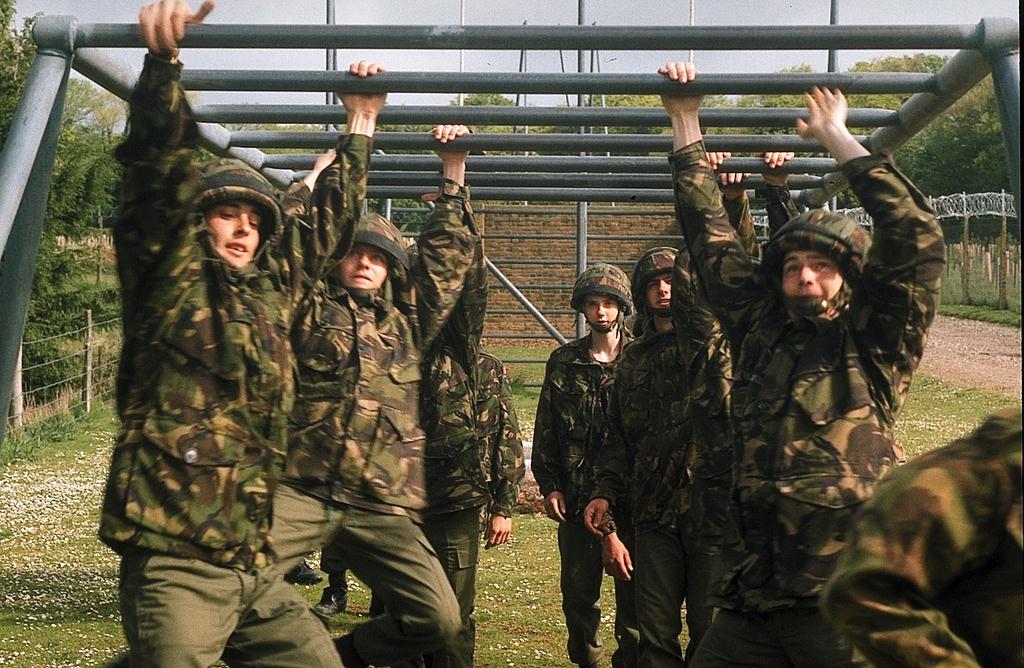
When I toured the United Kingdom, speaking to large audiences in towns and cities 25 years ago, I was often asked about the reintroduction of national service. At that time, the British Army did not wish to waste precious resources on solving society’s perceived problem of a lack of self discipline among young people. We had more than enough volunteers to sustain the “Best Small Army in the World” at over 100,000 professional soldiers.

Today we face a different challenge. Young people are accused of self-entitlement and the British Army is no longer capable of deploying an armoured division at short notice to fight high-intensity armoured warfare, as we did in 2003. Realising this situation, I have changed my tune and I am now fully behind the movement to reintroduce National Service for all school leavers. It doesn’t have to be military, but it does have to be a contribution to society and a commitment to the community – perhaps medical or mucking-out. As in World War II, certain employments should be classed as reserved occupations e.g. mining, manufacturing and munitions. The aim should be clear: to be ready to fulfil Article 5 commitments to our Allies, if Russia invades a NATO nation.

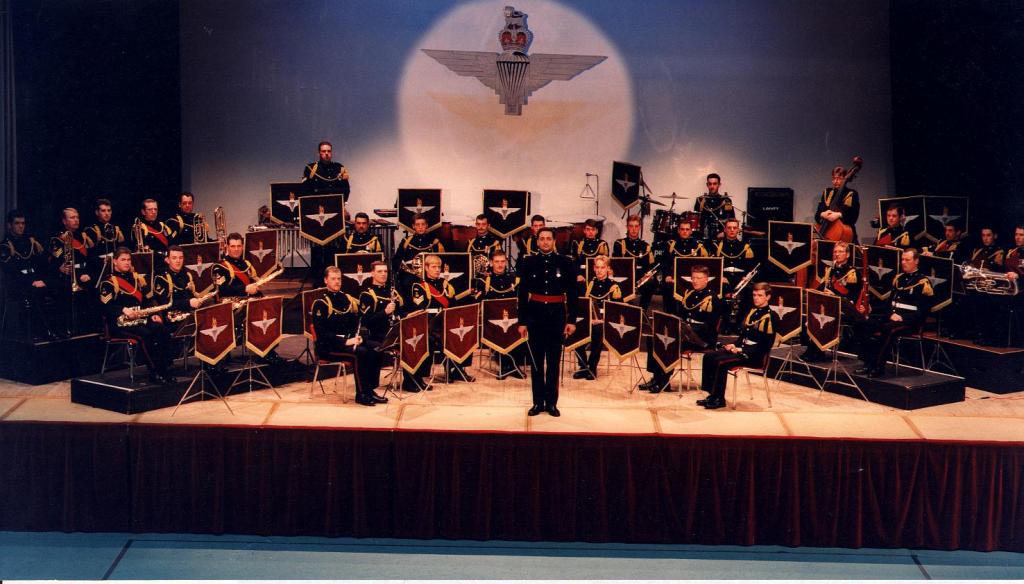
Para Musicians – Courtesy of MoD