When I heard last week that the distinguished American Envoy in Kyiv, Lieutenant General Keith Kellogg, intends to leave his post, I was very worried about what was about to follow. It is now clear that he was being side-lined by Trump’s advisors in Washington, who remain intent on pulling the rug from the US commitment to Ukraine (as happened to Afghanistan in February 2020, during his first term in office).
It is also pretty obvious that the good General does not agree with the 28-point plan that has been foisted on President Zelensky, but is helping him to manage the difficult situation that has arisen through Trump’s appeasement of Putin. The demands on Zelensky to concede a large chunk of Ukraine and reduce the armed forces by one third look like ham-fisted bullying, but the big question is whether the European Union negotiators in Geneva will be able to rebalance the equation and allow Ukraine to achieve a dignified peace.
In the meantime, fighting on the front line and drone-bombing will continue unabated.
The situation reminds me of a similar moment in history when the British government debated whether to make peace with Bolshevik Russia in November 1920. Winston Churchill, who was the War Secretary at the time, voted to continue military assistance to the Free Russians, but the Prime Minister, David Lloyd George, voted to re-open trade with Moscow and to end British support to the beleaguered White Russians in Ukraine. The peace deal sealed the fate of millions of Ukrainians, who were later killed by Stalin in his Holodomor.

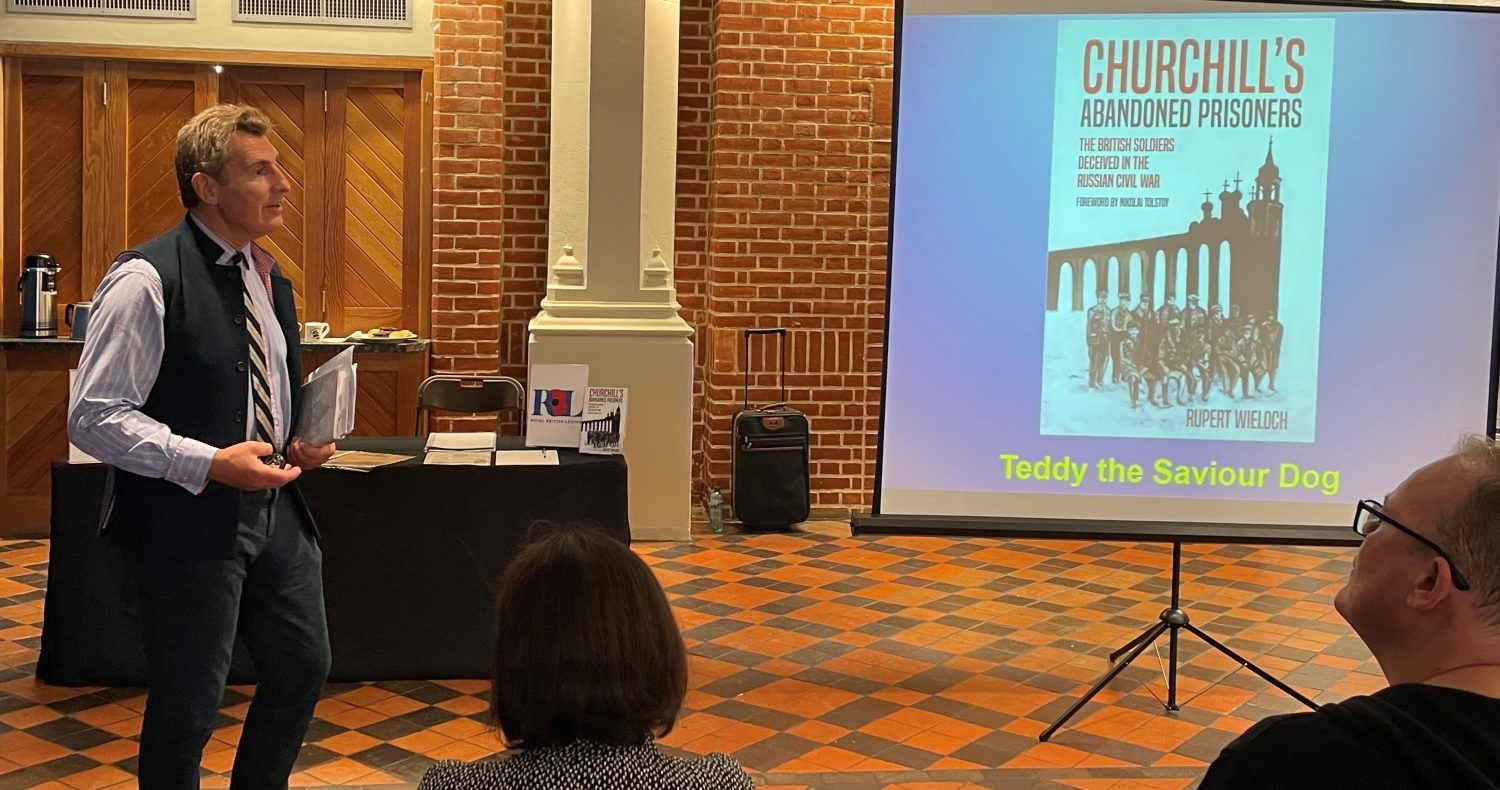
 Rupert Wieloch