The use of Special Forces changed dramatically after 9/11. During the Cold War the roles of these regular and territorial elite forces included stay-behind-information-gathering and countering Soviet Spetsnaz. Special Forces were also used for Out-Of-Area operations, such as the Dhofar Campaign in the Gulf and in Northern Ireland to support the Civil Authorities. During the Civil-War in Bosnia, they played an important communications role in places such as Maglaj, where I was based in 1995.
After 9/11, there was a high-level discussion about the use of Special Forces for targeted assassination against the planners of the worst terrorist atrocity against American and British people (similar ethical debates were held about the use of torture and nuclear weapons). Apart from the moral aspects, the nub of the debate was the consequences and effects on other troops and the question: “would it make people feel safer?”
The British Government took a different stance to the US Government, with much tighter rules placed on British Special Forces. There were a few contraventions, which were reported by the International Committee of the Red Cross, such as members of the SAS pretending to be NGOs in Afghanistan, but overall, British Special Forces were held in check by London… until Helmand became very messy.
Everything changed in Britain after Parliament voted against taking action when Assad used chemical weapons on his people in 2013. Since then, the Government has been reluctant to hold any vote about the use of Armed Forces and instead, they deployed Special Forces and precision weaponry with US Forces, which work to a different ethical regime. It is therefore no surprise to me that this week it was announced that nine members of UK Special Forces could face prosecution over alleged war crimes in Syria. It is the inevitable consequence of politicians bypassing the chain of command and confusing the ethical rules of engagement.
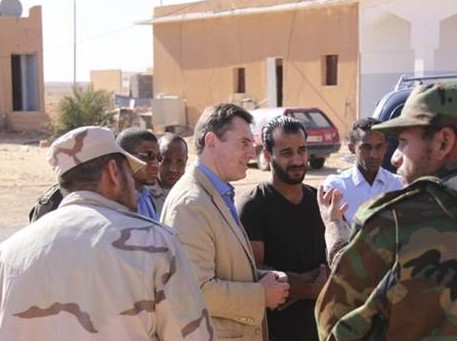
Working with Special Forces in Libya
 Rupert Wieloch