
National Service In A Nutshell

One of the most frequent questions I heard from the public as a spokesperson for the Army Board in 1999 was about bringing back National Service.

At the time, the Chief of Defence was Charles Guthrie, who incidentally has exactly the same background as the new Head of the Army (Guards and SAS). His opinion was that the Armed Forces should be focused on warfighting skills and train for the worst case scenario. This view proved to be prescient as the following decade saw British soldiers, sailors and pilots involved in some of the hardest fighting experienced since the Second World War.

The idea of conscription is to instil a sense of duty and purpose in young people, rather than entitlement and indolence. This is a huge task, which in itself will further dilute the current Armed Forces capability that has been ravaged during the past ten years. It will also distract the MoD from its primary purpose, which at this time of extreme Global tension is both unwise and unhelpful to our Allies.

Attempting to force 18-year-olds to do what they don’t want to do will also open the Services to even more medical problems, litigation claims and negative media than they currently experience.

I believe the purpose of helping young people to escape from their “bubbles” is a tremendous idea, but the Armed Forces are not there as a grown-up guide, or scout movement. We need to deal with the causes and tackle the problem at its root. It is for the Department for Education to teach children in their early years about the importance of team work, loyalty, contributing to society and being the best.
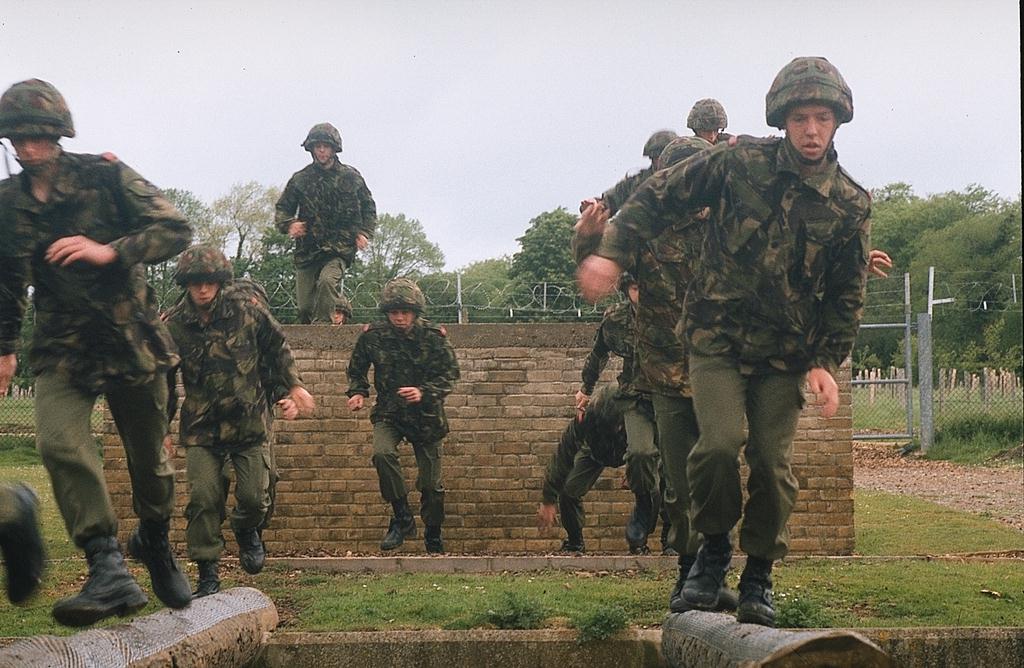
Recruit Training 25 Years Ago
Russian May Offensive

There is something very predictable about what is happening in Ukraine at the moment. The latest attacks by the Russian Army (with support from Cubans and other mercenaries) has been foreseen by many people, as the overwhelming numbers of soldiers and materiel begin to take effect and wear down the gallant defenders.

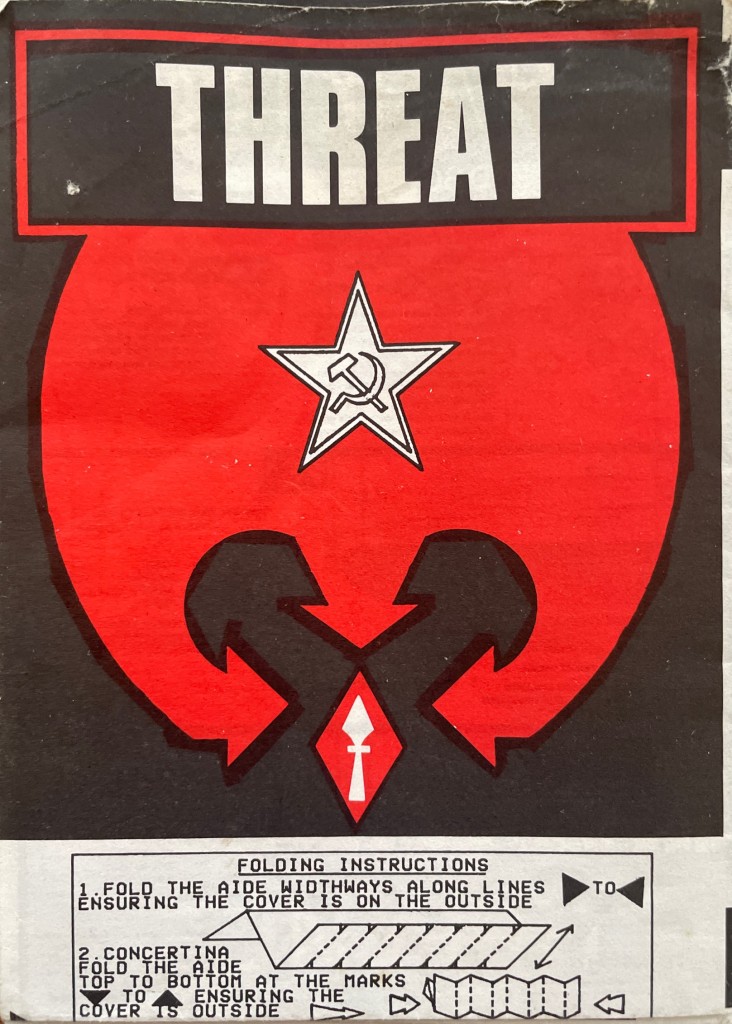
I always think that Putin likens himself to a Russian Tsar, rather than a Soviet Leader, but his method this year seems to be straight out of the manual that we studied in the Cold War. In a folded aide-memoir, we were told to imagine the approaching Soviet Army as an animal that constantly changes shape. It begins as a tortoise, with a thick outer shell protecting the important body as the head looks out for the enemy. In the deployment phase, it resembles a slither of snakes, which probe for gaps and weaknesses in the enemy positions. Finally in the attack, it is like a bear that growls to hold the enemy’s attention while its paws sweep in from the flanks.

In terms of his long term goals, I do not believe that Putin completely wishes to decimate Kharkiv and turn it into a “Grozny”, but he will do it if he believes it will tip the balance to win the war (and the peace). The short term goal is clearly to push the Russian boundaries further away from Moscow and to create as wide a buffer zone as possible, but there are other objectives, which are discussed in an excellent podcast by distinguished writers, Saul David and Patrick Bishop, that is definitely worth a listen at: https://www.goalhangerpodcasts.com/battleground?utm_source=substack&utm_medium=email

Winchester Book Talk

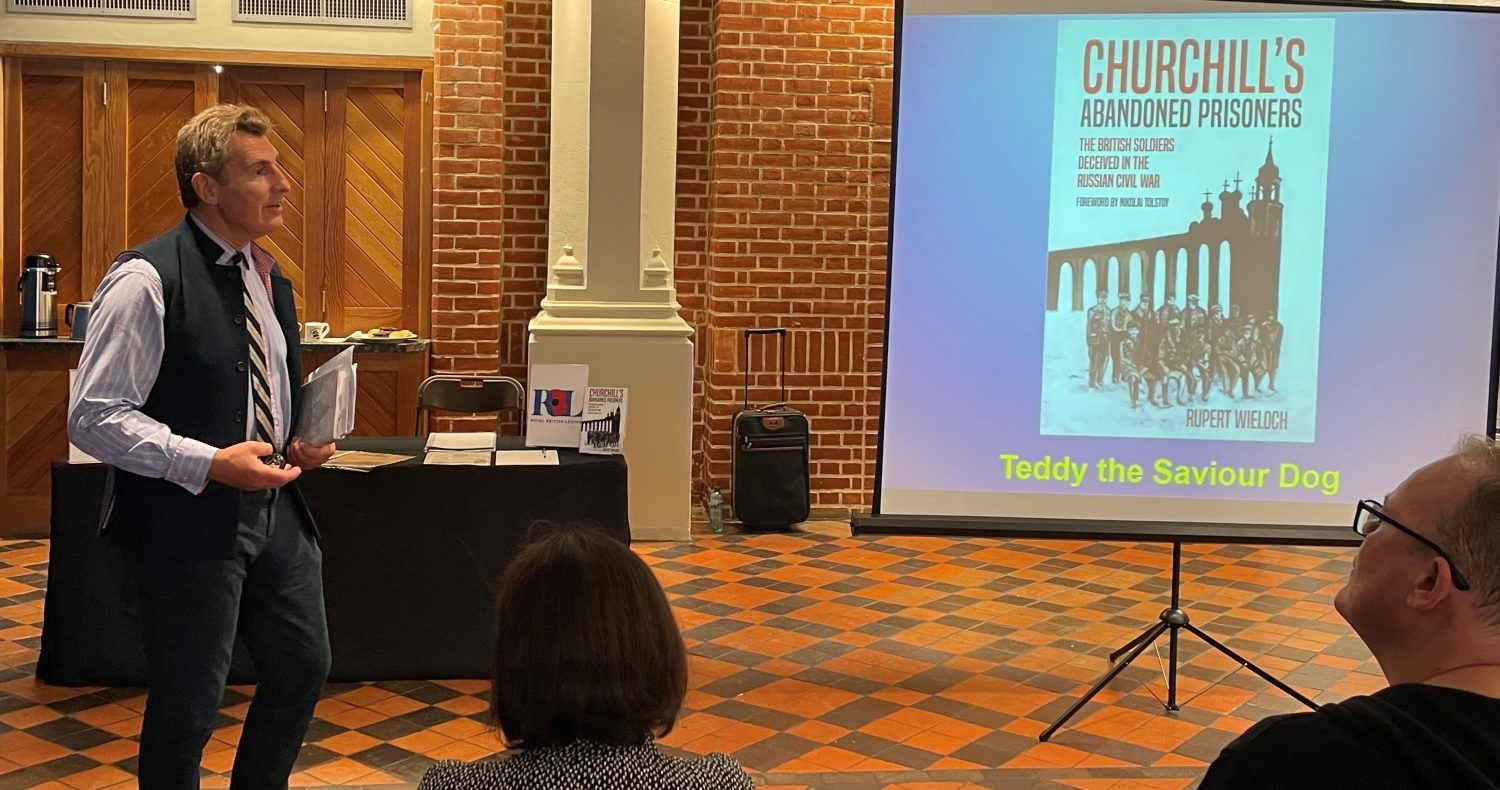
I am looking forward to giving part two of my book talks on the Western Desert Campaigns, in Winchester tomorrow. Having given separate talks on Churchill’s Second Darkest Hour, the Birth of British Special Forces and Giants of El Alamein, I know how tricky it is to condense all the World War II material into one 45 minute talk.

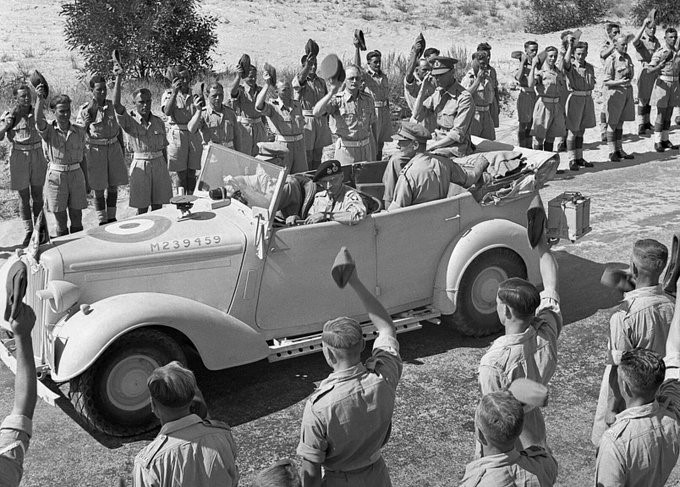
There are some stirring anniversaries at this time of the year with the Siege of Tobruk and the Battle of Gazala this month and the visit of HM King George VI in June, when he presented a Field Marshal’s baton to Viscount Gort for the part he played in securing the freedom of Malta.

Since we are also approaching the 80th anniversary of the Normandy Landings, I will include a comparison of the two theatres of war and show how the neglected 1942-43 North African campaign was every bit as tough as the 1944-45 fight in Western Europe.

HRH King George VI in Monty’s Humber, being cheered by soldiers in Tripoli in June 1943

Russian Display of Western Tanks

There is no denying that unveiling the captured US Abrams and German Leopard tanks a week before the annual Victory Parade in Moscow is a big moral booster for the Russian Army. Not only does it reinforce the mendacious message about the “Special Operation” in Ukraine, but it also demonstrates to the Russian population that NATO does not have a technical advantage over Russian tanks.

There was always a high probability that this humiliation would happen, which was one of the main reasons why Western governments were reluctant to donate their heavy armour to Ukraine in the earlier part of the war.

For me, however, there is a more notable point that the mainstream news outlets have missed. The design of a main battle tank has three competing characteristics: firepower (the range and power of the gun); mobility (its speed and manoeuvrability); and protection (the thickness of the armour and survivability of the crew). I have always said that I would prefer to be in a British tank than a tank designed by any other nation because its protection is the best. Yes, there are some weak points that were exposed by tandem warhead missiles in Iraq, but pound for pound the Challenger 2 is the finest tank for European conditions.

Unfortunately, since 2007, successive governments have prioritised aircraft carriers over tanks, thinking that we can rely on American and German designs. Given what we have seen this week, it really is time that we invested in our own tank building capability again.

Challenger 2 Tank – Not On Display In Moscow!